Research, space, health and climate.
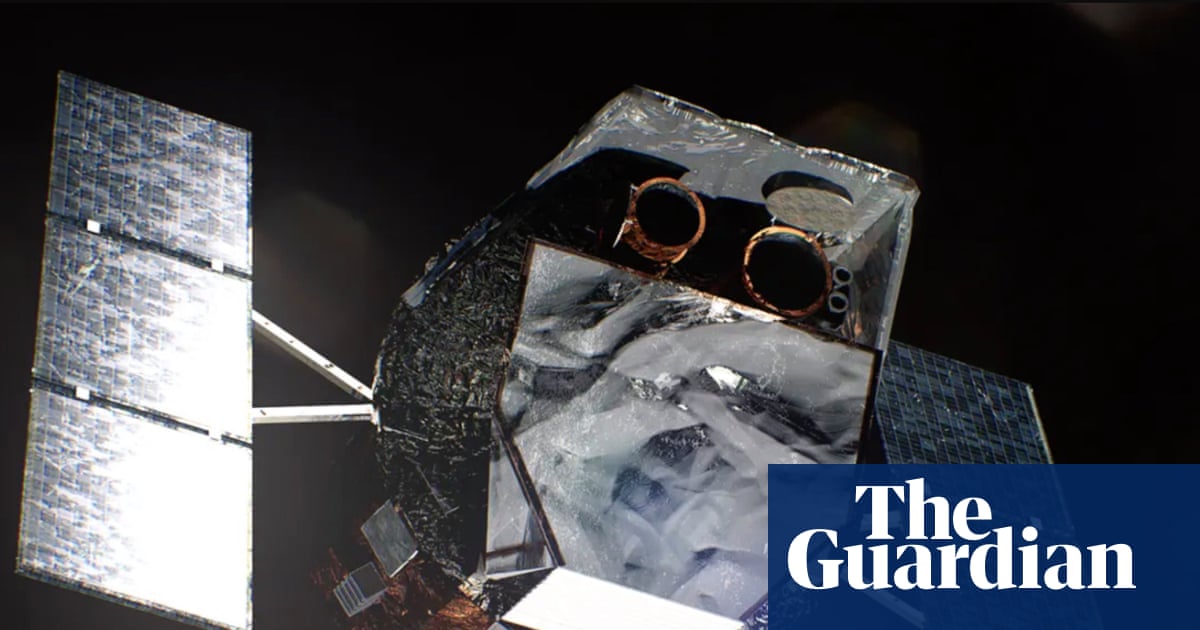
NASA’s Neil Gehrels Swift Observatory, launched in 2004, is expected to re-enter Earth’s atmosphere on Wednesday and burn up after losing the ability to steer or observe.
2 sources
Dr Marta Shahbazi, a group leader at the MRC Laboratory of Molecular Biology and an affiliate at the Cambridge Stem Cell Institute, died in a train collision in Toledo province, Spanish and British outlets report.
A mounted Nanotyrannus skeleton sold for $47.3m at auction in New York, reigniting discussion about whether rare dinosaur remains belong in private hands or public institutions.
3 sources
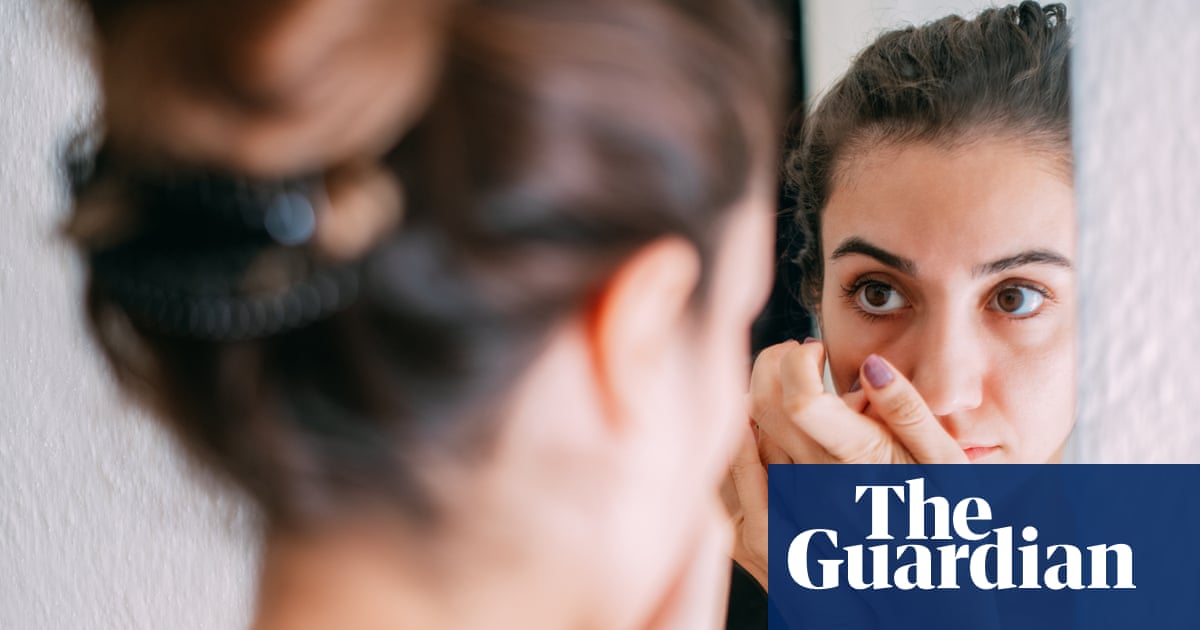
TikTok has popularised “ferritin face” as a set of signs said to indicate low iron stores. Experts say some features can signal iron deficiency but other causes exist and a GP check is advised.
3 sources
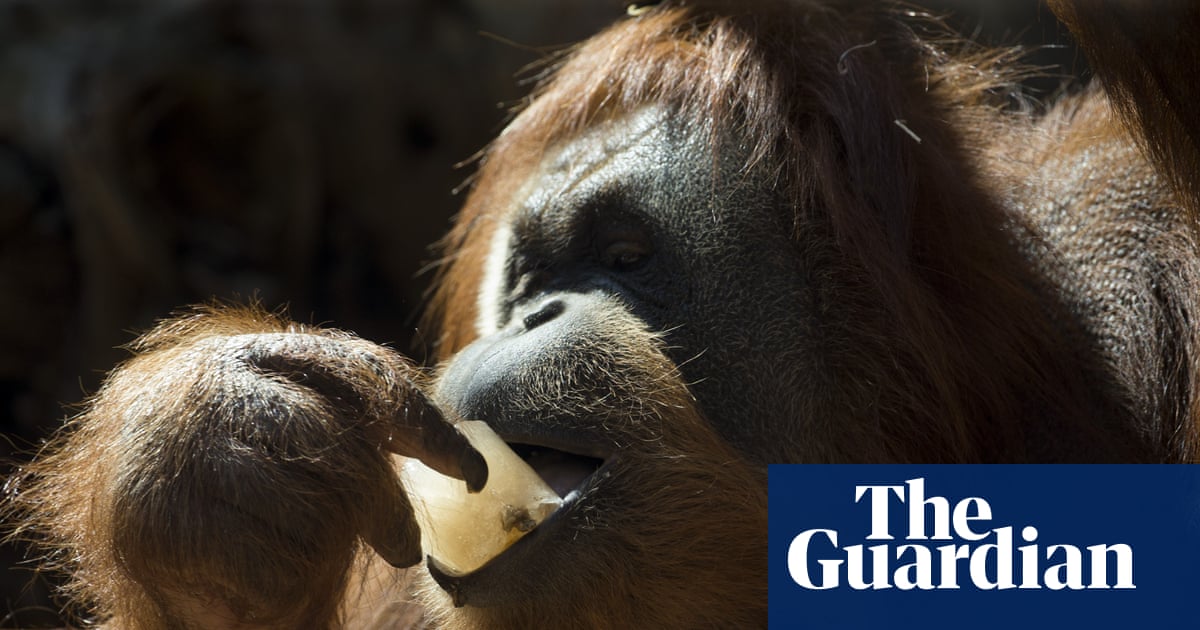
A study of captive orangutans found the apes were likelier to value and choose treats that had been preceded by the sound of peers laughing, suggesting emotional signals can influence learning.
3 sources
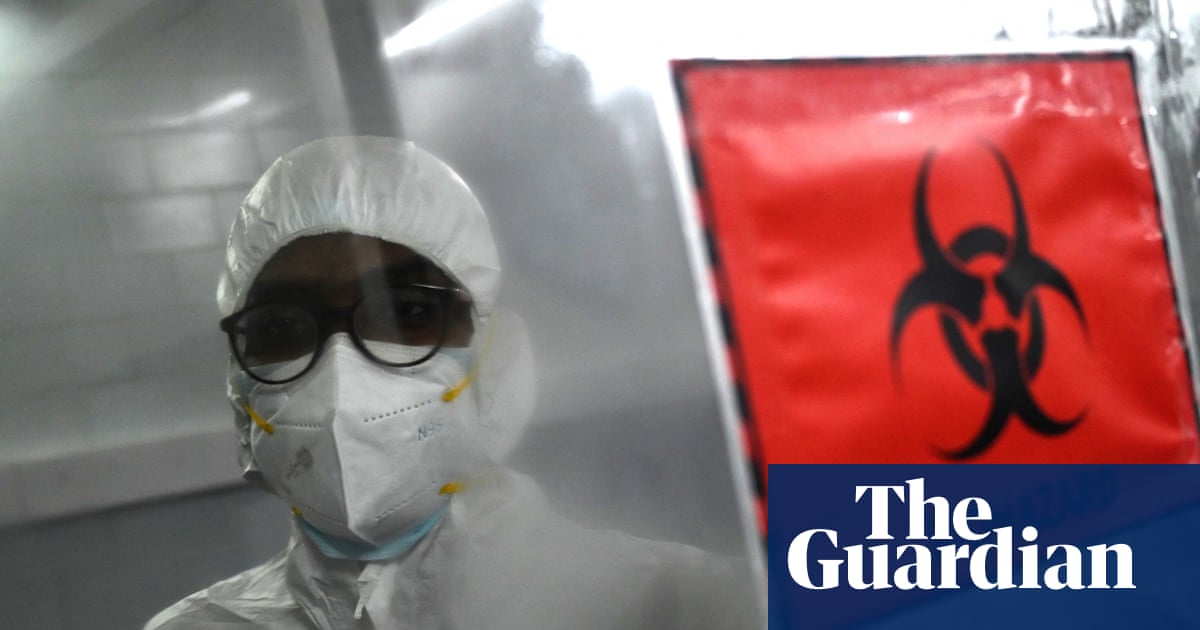
In an annual threats speech, MI5 director Sir Ken McCallum said artificial intelligence could ‘change the stakes’ for biological weapons. Public health experts explain why governments are alarmed and what might reduce the danger.
3 sources
Belgian physicist Francis Halzen won the 2026 Nobel Prize in Physics for pioneering an observatory that detects elusive particles from space, often called 'ghost particles'.
3 sources
Margaret Hamilton, the MIT computer scientist who led development of the software that helped land Apollo 11 on the Moon, has died at age 90. She was a recipient of the Presidential Medal of Freedom.
4 sources
A Cambridge University analysis reports women face higher odds of being told their autoimmune symptoms are psychological and endure longer diagnostic and treatment delays than men.
3 sources
A London School of Economics study reports that scientists who are 'techno‑optimistic' are less likely to join protests or adopt high‑impact lifestyle changes, raising questions about reliance on technological fixes.
3 sources
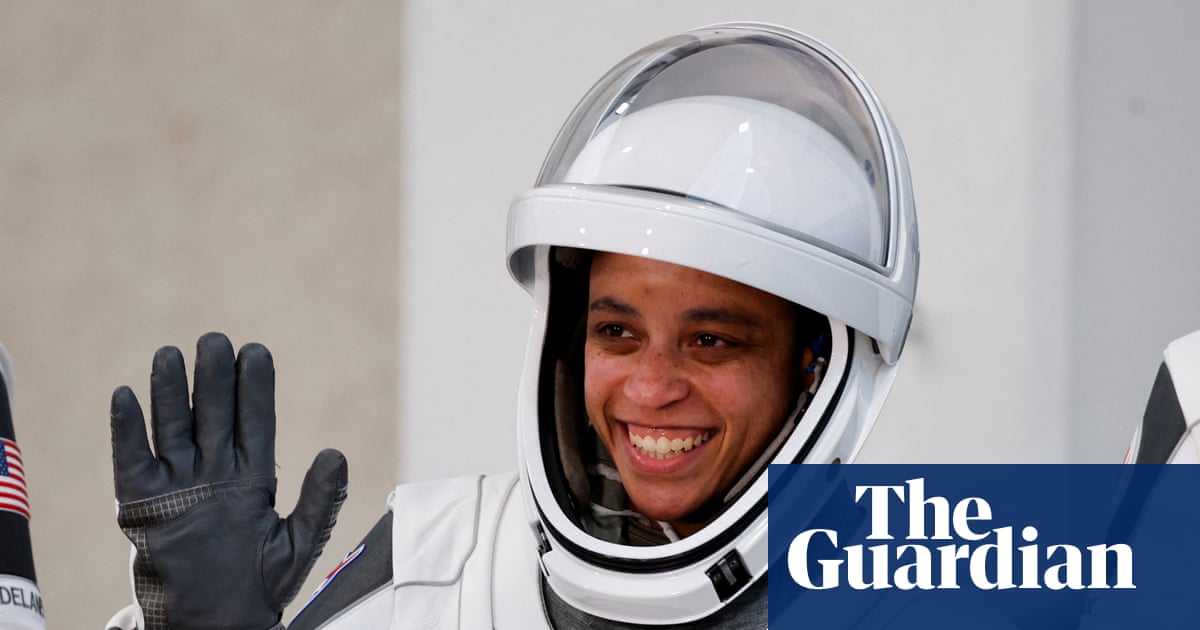
Four astronauts reached the International Space Station after an eight-hour express flight that set a US speed record. The mission was commanded by Jessica Watkins, the first Black woman to lead a crew to orbit.
3 sources
A Falcon 9 rocket launched from Cape Canaveral on 1 October 2026 carrying four astronauts — two Americans, a Russian and a Canadian — who are scheduled to spend up to six months aboard the ISS, reports say.
2 sources