Orangutans more likely to choose food tied to sounds of laughter, study finds
A study of captive orangutans found the apes were likelier to value and choose treats that had been preceded by the sound of peers laughing, suggesting emotional signals can influence learning.
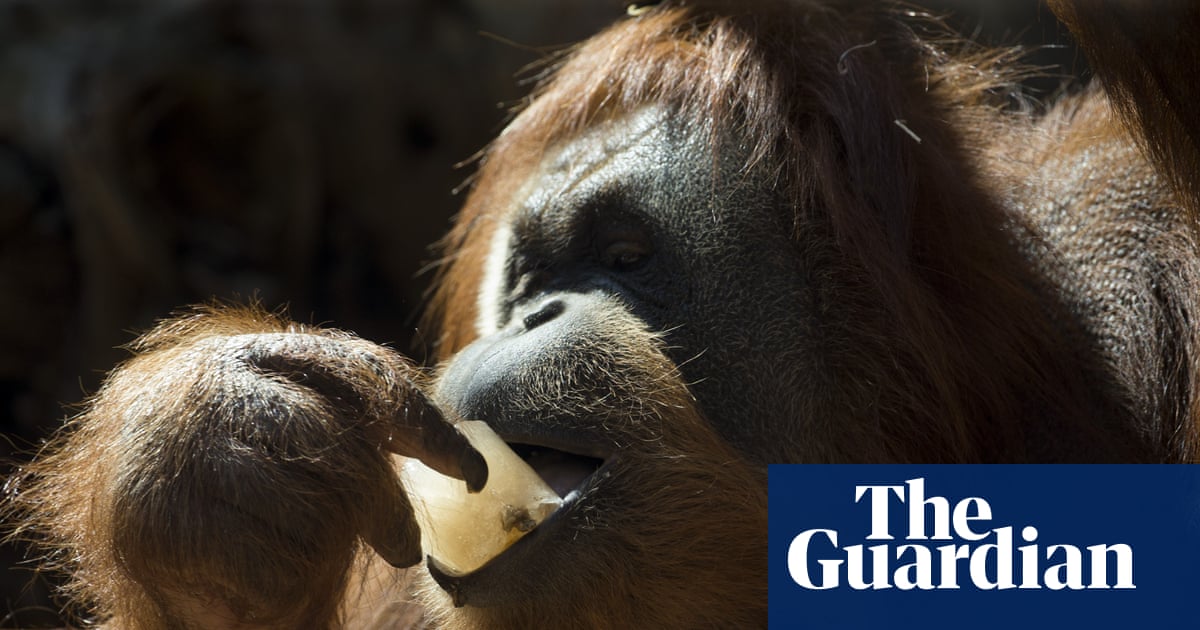
Scientists studying captive orangutans report that the apes are more likely to choose and place greater value on food that is associated with the sound of other orangutans laughing. In experiments reported by the research, when animals heard laughter from peers before searching a bowl for a treat, they were more inclined to select that reward.
The study’s findings indicate that emotional vocalisations — in this case, laughter — can affect decision-making and learning in orangutans. Researchers interpreted the pattern as evidence that positive social signals may increase the perceived worth of a reward, influencing which options the apes prefer.
Why this matters
The results add to a growing body of evidence that non‑human primates are sensitive to the emotional states of others and that those states can shape behaviour. If emotional cues like laughter alter how animals evaluate and choose rewards, they may play a role in social learning and the transmission of preferences within groups.
Limitations and reporting
The observations were made in captive animals, and the reporting describes the effect specifically when laughter preceded the animals’ search for a treat in a bowl. The accounts present the findings as suggestive rather than definitive about broader cognitive processes; they frame the outcome as research evidence that emotions can influence learning in orangutans.
Broader implications
Understanding how social and emotional cues affect decision-making in great apes can shed light on the evolution of social cognition and the mechanisms that support learning in social species. The reported link between laughter and increased valuation of food points to a route by which social signals might guide attention and choices, potentially affecting foraging and social interactions.
Further research would be needed to determine how widely the effect applies across different contexts, populations and species, and to clarify the mechanisms behind the response. For now, the study provides evidence that orangutans do not evaluate rewards in isolation: the emotional backdrop provided by peers can change what they choose to take.
Sources
This story was written from reports by these outlets. Read the originals: