LSE study finds scientists who trust tech are less likely to take climate action
A London School of Economics study reports that scientists who are 'techno‑optimistic' are less likely to join protests or adopt high‑impact lifestyle changes, raising questions about reliance on technological fixes.
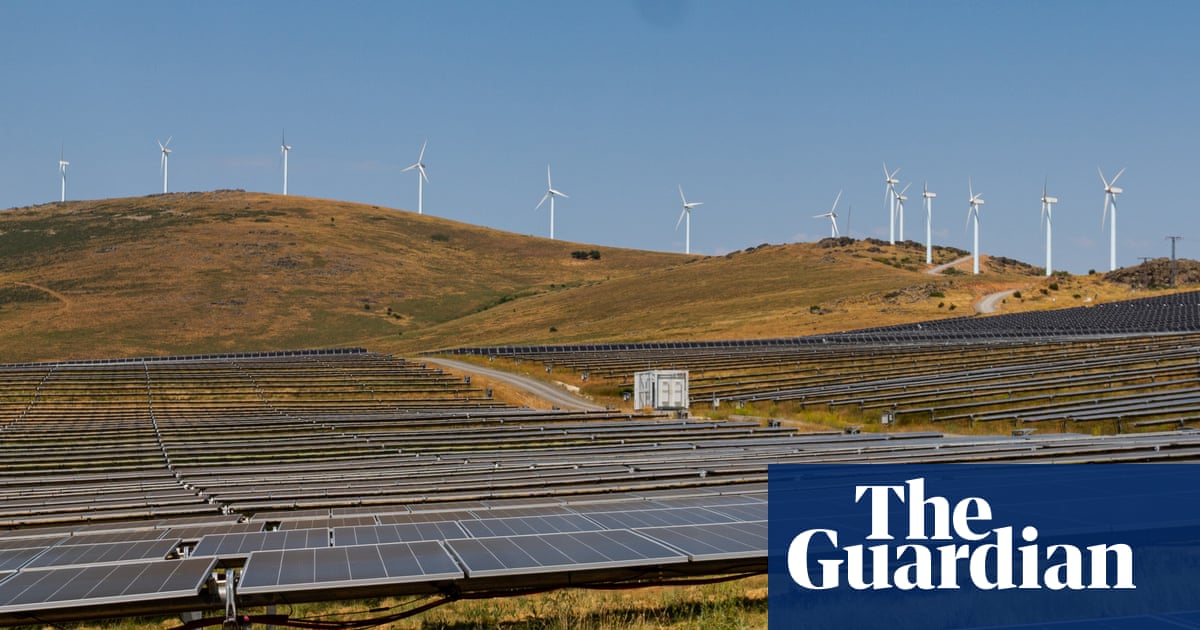
A study by the London School of Economics has found that scientists who believe technological advances will largely solve climate problems are less likely to take civic or personal actions to address the crisis.
Researchers described this outlook as "techno‑optimism" and linked it with lower rates of participation in collective activism and in high‑impact individual lifestyle changes. According to the LSE report, scientists who express faith that technology will largely fix climate issues are 23% less likely to sign petitions or take part in protests than colleagues who doubt technological solutions. They are also 18% less likely to make high‑impact personal changes such as reducing air travel or switching to a vegan or vegetarian diet.
Why the finding matters
The authors of the report warn that techno‑optimism may foster reliance on unproven technological solutions at the expense of societal and behavioural changes that many experts argue are necessary to limit warming. If major groups of scientists favour future technical fixes over present-day civic engagement or lifestyle adjustments, the report suggests that public debate and pressure for policy changes could be weakened.
The study does not claim that technology cannot contribute to climate mitigation, nor does it quantify the role of technological innovation in future climate outcomes. Instead, it highlights an association between confidence in technological solutions among scientists and a lower propensity to take particular forms of action now.
Implications for communication and policy
Observers of climate policy and science communication may find the results significant because scientists are often influential in public debate and policymaking. The report suggests that differing attitudes within the scientific community about the balance between technological innovations and social or behavioural change could shape the kinds of recommendations scientists make to policymakers and the public.
The LSE study points to a potential trade‑off: strong belief in future technologies could reduce support for immediate civic engagement and individual choices that many advocates say are necessary alongside technological development.
What the report does not say
The available summaries of the LSE report do not provide details on the study's methodology, sample size, geographic scope or which scientific disciplines were surveyed. The summaries also do not present countervailing evidence or perspectives from scientists who combine optimism about technology with active civic engagement or lifestyle changes.
Taken together, the findings add to ongoing debates about how best to combine technological innovation, policy action and social behaviour to address climate change. They underline that how scientists view the role of technology may influence not only their own actions but also the tone of public and policy conversations about climate solutions.
Sources
This story was written from reports by these outlets. Read the originals: