UK car industry caught between cheap Chinese imports and EU market access
Britain’s carmakers face a ‘difficult trade‑off’ as pressure grows to impose tariffs on inexpensive Chinese vehicles while avoiding measures that could jeopardise exports to the EU.
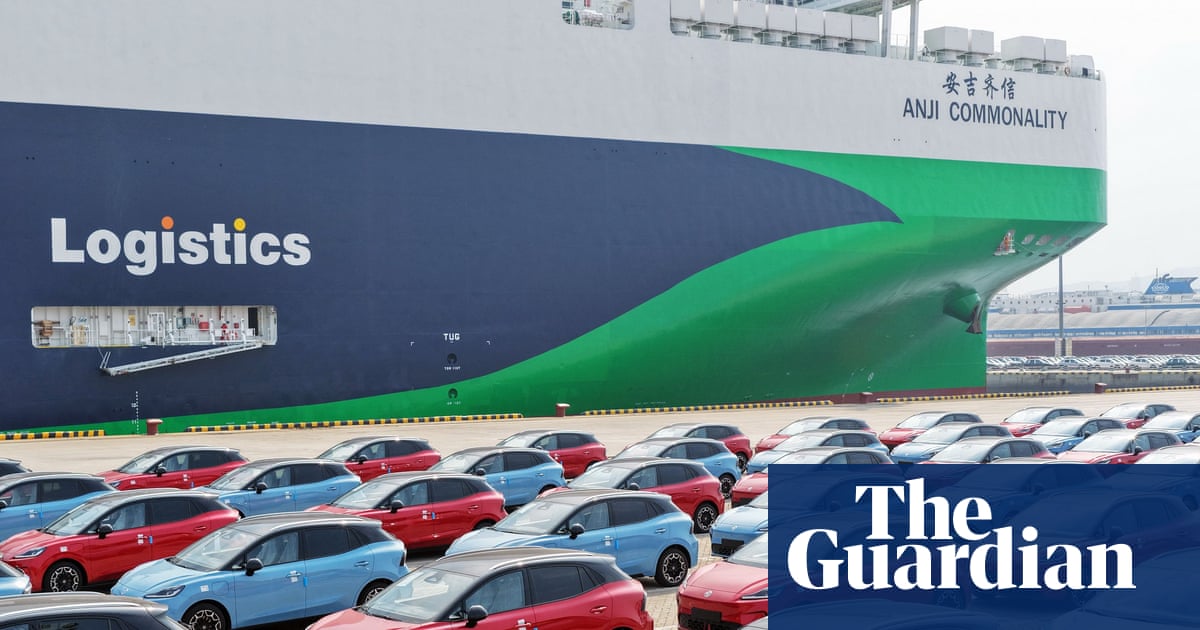
Britain’s automotive sector is confronting a strategic dilemma as it weighs whether to impose tariffs on low‑priced Chinese car imports while trying to preserve access to the European market. Industry representatives and analysts say balancing the commercial benefits of selling into China with the need to comply with emerging protectionist measures in Europe presents a major challenge for UK manufacturers.
What’s at stake
The UK remains an outlier among major economies by not applying import taxes to Chinese vehicles, even as other markets move to restrict those imports. The United States has largely closed its market to Chinese cars, and the European Union currently levies duties of up to 45% on certain Chinese vehicle imports. Those divergent approaches leave UK producers and policymakers navigating competing pressures.
Industry sources warn that new trade measures could make it harder for UK manufacturers to export to the EU if the UK adopts policies that run counter to EU rules or prompts retaliatory steps. At the same time, cheap Chinese imports are increasing competitive pressure in the UK market, prompting calls from some quarters to consider tariffs as a defensive measure.
The difficult trade‑off
Manufacturers face a two‑way calculation: keeping market access and tariff parity with the EU while not foregoing opportunities in China. Selling into China has become an important commercial prospect for some British carmakers and suppliers; yet protecting the domestic industry from a surge of low‑priced imports could require measures that risk souring trading relations with the EU or inviting reciprocal barriers.
The prospect of duties or other protectionist measures has sparked debate within government and industry about the appropriate balance between open trade and safeguarding jobs and investment in UK plants. The situation is further complicated by differing international responses: where the EU and US have acted or are prepared to act, the UK has so far taken a different stance on import taxation for Chinese vehicles.
Why it matters
Decisions on tariffs and trade policy will affect domestic prices, the competitiveness of UK manufacturing, and access to major export markets. If the UK remains tariff‑free on Chinese cars while the EU maintains high duties, UK consumers could see cheaper options, but UK producers could face increased competition at home while still needing to meet the rules and standards required for EU exports.
Conversely, adopting protective measures similar to those in the EU could shield domestic producers but risk limiting opportunities in China and potentially prompting reciprocal restrictions that harm exports. The government and industry will need to weigh short‑term protection against long‑term strategic relationships with both trading blocs.
Policymakers now face pressure to clarify the UK’s approach as other large economies tighten controls on Chinese vehicle imports. How they resolve this trade‑off will shape the competitive landscape for Britain’s car industry in the coming years.
Sources
This story was written from reports by these outlets. Read the originals: