Jacob Rees‑Mogg says Tucker Carlson was ‘verging on defending Hitler’ after podcast interview
Jacob Rees‑Mogg publicly rebuked US podcaster Tucker Carlson after hosting him at his home, saying Carlson’s comments about Britain’s role in WWII risked appearing to defend Hitler, sources report.
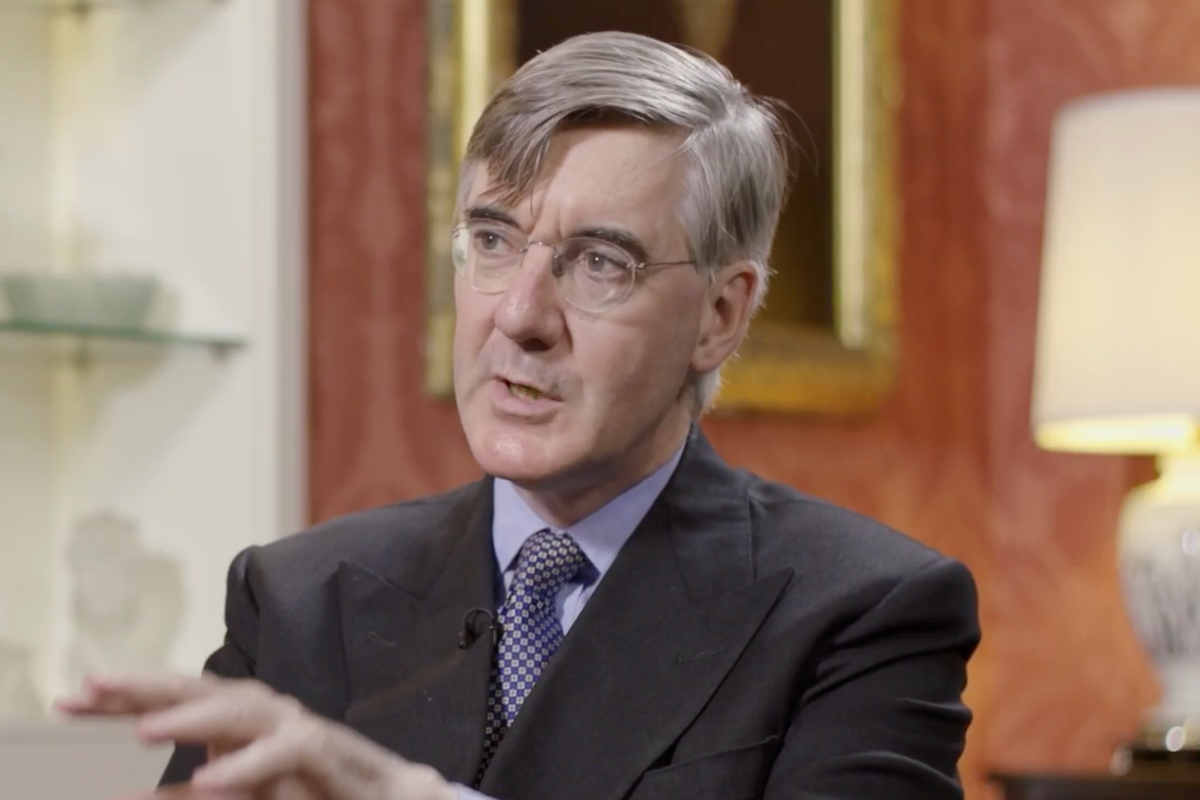
Former Conservative cabinet minister Jacob Rees‑Mogg has criticised American podcaster Tucker Carlson after hosting him for an interview in his home, saying Carlson’s remarks about Britain’s response to Adolf Hitler came close to defending the dictator, according to media reports.
Rees‑Mogg told Carlson that Britain had been right to enter the Second World War, countering lines of argument from the US presenter. The Guardian reported that during the conversation Carlson repeatedly suggested the West had provoked aggression from Russia and questioned the significance of Britain’s wartime sacrifice. According to the Guardian, Carlson asked, “Who cares?” when the prospect that Britain might have lost to Hitler was raised.
The Independent described Carlson as being unable to understand why Britain joined the fight against the Nazis.
What was said and how Rees‑Mogg reacted
Both outlets report that Rees‑Mogg hosted Carlson for a recorded interview or podcast at his home. The Guardian characterises Carlson as a rightwing US media figure and calls him a Vladimir Putin sympathiser; that description does not appear in the Independent’s report.
According to the Guardian, Rees‑Mogg pushed back on Carlson’s framing about the Second World War and accused him of “verging on defending Hitler.” The Independent also covered Carlson’s apparent difficulty accepting Britain’s decision to enter the war against Nazi Germany.
Neither report says the interview was broadcast in full at the time of reporting, and neither provides a full transcript. The Guardian quotes Carlson asking, “Who cares?” about the possibility Britain might have been defeated by Hitler; the Independent summarises his views as showing an apparent lack of understanding of why Britain fought the Nazis.
Why the exchange matters
The exchange has drawn attention because it involves two public figures with international profiles discussing foundational questions about Britain’s history and foreign policy. Carlson is a prominent US media personality whose views on Russia and other geopolitical issues have generated controversy; the Guardian’s report labels him a Putin sympathiser. Rees‑Mogg is a well‑known former cabinet minister and Eurosceptic Conservative, and his hosting of Carlson at his home added a high‑profile British setting to the interview.
Observers and readers may see the clash as part of broader debates over historical memory, the narratives used to explain past wars, and contemporary attitudes toward international aggression. The Guardian and the Independent both highlight the tension between Carlson’s comments and Britain’s accepted wartime rationale, while reporting different emphases: the Guardian quotes a provocative line from Carlson and notes the Putin‑sympathiser descriptor, and the Independent stresses Carlson’s difficulty in comprehending Britain’s choice to fight Nazi Germany.
No additional public statements, wider reaction from other politicians, or further context about the release and distribution of the full interview were reported by the Guardian or the Independent at the time of their articles.
Sources
This story was written from reports by these outlets. Read the originals: