Witness tells court $600,000 was earmarked to stop EFCC probe in El-Rufai trial
A prosecution witness in the corruption trial of former Kaduna governor Nasir El-Rufai testified that $500,000 and $100,000 were set aside to bribe EFCC officials and an intermediary to halt investigations.
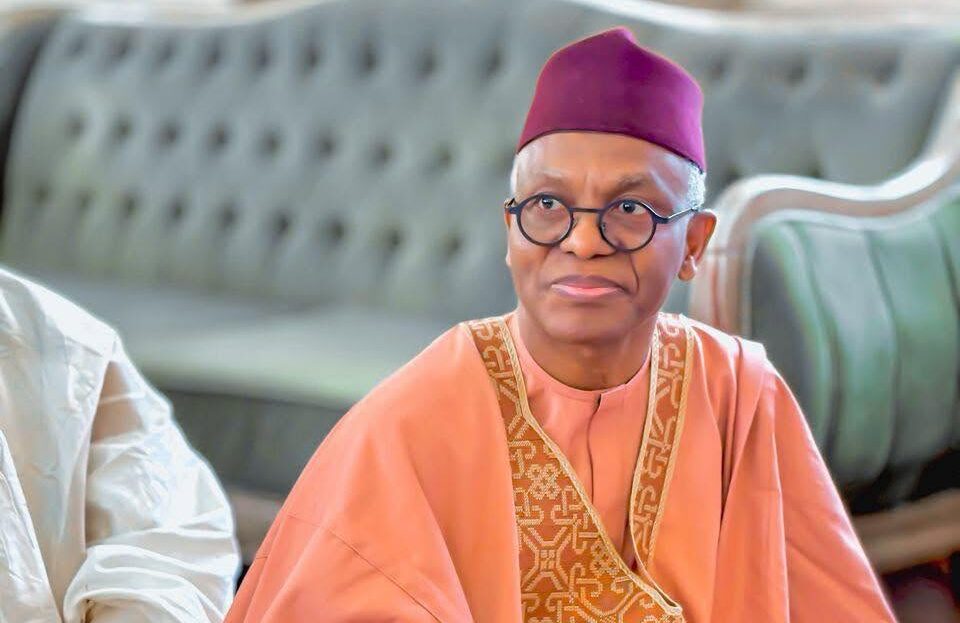
A witness in the corruption case against former Kaduna State governor Nasir El-Rufai told a Kaduna High Court on Tuesday that $500,000 and a separate $100,000 were intended to bribe officials of the Economic and Financial Crimes Commission (EFCC) and an intermediary to stop probes into certain companies.
The allegation was presented as part of the prosecution’s evidence before Justice Darius Khobo of the Kaduna State High Court. The witness said the money had been set aside specifically to influence EFCC investigations, though the claim remains unproven in court.
Prosecution evidence and legal context
Prosecutors introduced the testimony to support charges against El-Rufai. Multiple outlets reporting from the courtroom described the sums as two separate amounts — $500,000 and $100,000 — that together total $600,000. The reports note the material was offered by the prosecution; the court has not made any finding on the truth of the allegations.
According to the witness, one portion of the funds was meant to reach EFCC personnel directly while the other would be channelled through an intermediary. The precise identities of the officials or middleman referenced in the testimony were not provided in the media reports.
What this means for the case
The testimony forms part of the body of evidence the prosecution will rely on as the trial continues. At this stage, the court has not determined whether the alleged payments occurred or whether they were part of a deliberate effort to stifle enforcement by the anti-graft agency. Defence responses to the allegation were not included in the published reports.
Why the allegation matters
Allegations of bribery aimed at law enforcement officials strike at the integrity of anti-corruption institutions and can shape public perception of both the accused and investigative bodies. If proven, such payments would be a central element in proving attempts to obstruct or impede official investigations. For now, the claim is a contested part of the prosecution’s case and will be tested through further evidence and cross-examination in court.
Next steps
The trial continues under Justice Khobo’s oversight in the Kaduna State High Court. Further hearings are expected to examine the testimony, consider corroborating or rebutting evidence, and allow counsel for both sides to present arguments. Media reports emphasise that the allegations are yet to be established by the court.
Sources
This story was written from reports by these outlets. Read the originals:


