US military grants SpaceX access to restricted orbital tracking data, prompting security concerns
The Pentagon has given Elon Musk’s SpaceX access to sensitive space-tracking data, a move critics say could hand a private donor increased control over orbital traffic and raise national security risks.
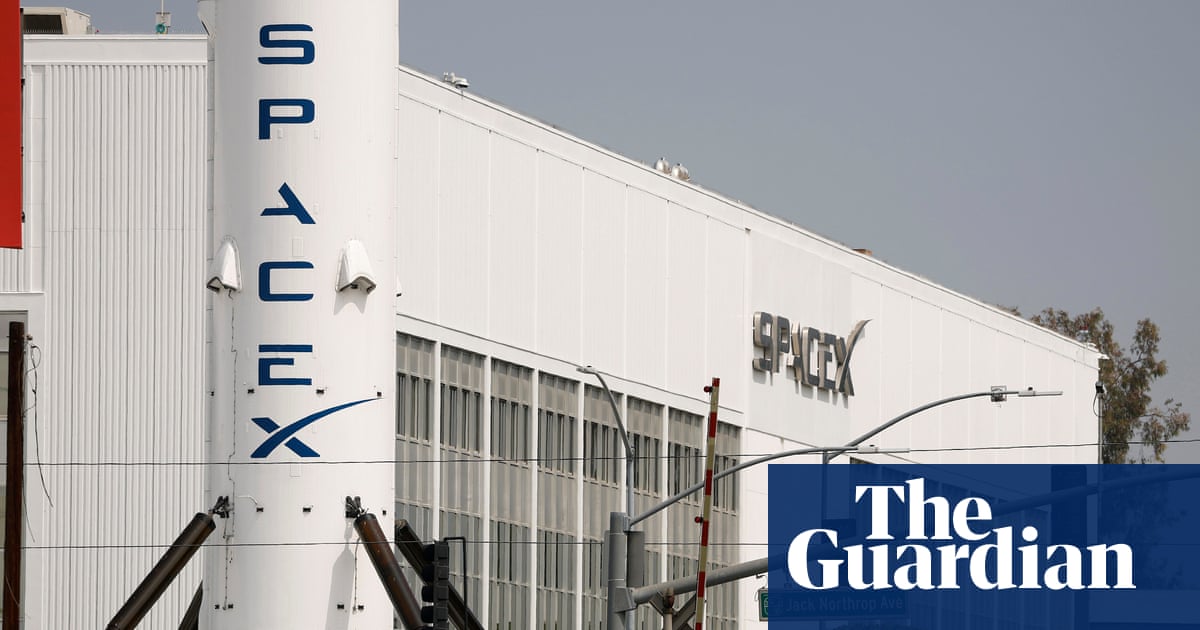
The US military has granted SpaceX access to restricted space-tracking data, the Guardian reports, providing the company with an enhanced ability to monitor objects in Earth orbit. The decision has prompted questions about whether the Trump administration is effectively ceding greater control of orbital traffic to a high-profile private donor and has drawn concerns about national security and the space industry.
What happened
According to reporting in the Guardian, the US military supplied SpaceX with sensitive tracking data used to follow objects in orbit. Observers say that access gives the company an advantage in monitoring orbital traffic and debris.
The reports identify Elon Musk as a controversial donor and link the data-sharing decision to the Trump administration’s approach to managing US space capabilities and partnerships with private companies.
Why it matters
Industry observers cited in the reports warn the move may shift more operational control in Earth orbit toward a private company, raising questions about transparency, competition and the balance between public and private roles in space. The Guardian accounts also flag national security concerns tied to giving a non-governmental firm access to restricted military data.
Space situational awareness — the ability to detect, track and predict the movements of satellites, debris and other objects — is central to the safe functioning of space activities. Greater access to precise tracking data can confer operational advantages to whoever holds it, the reports say, which is why the decision has sparked scrutiny.
Reactions and implications
The Guardian reporting conveys that the decision has rekindled debates over how the US government should partner with commercial space companies and how much sensitive information should be shared with private actors. Critics framed the move as potentially handing too much influence over orbital traffic management to a single company, while the articles note concerns about the implications for national security.
The reports do not provide further details on the scope of the data shared, any legal or oversight mechanisms tied to the transfer, or responses from the Pentagon or SpaceX. They also do not report any official statements from the White House about the decision.
Observers quoted in the reporting expressed unease about concentrating capabilities for tracking and managing space traffic within a single commercial entity, given the strategic importance of space infrastructure.
As private companies play an expanding role in launching and operating satellites, decisions about data sharing and control over space-domain capabilities are likely to remain focal points for policymakers, industry participants and national security analysts. The Guardian reports suggest this latest data-sharing action will intensify that debate, particularly concerning the limits of private-sector access to sensitive military information.
Sources
This story was written from reports by these outlets. Read the originals:
- 1.Guardian Business: US military gives Elon Musk’s SpaceX access to sensitive tracking data
- 2.Guardian World: US military gives Elon Musk’s SpaceX access to sensitive tracking data
- 3.Guardian Science: US military gives Elon Musk’s SpaceX access to sensitive tracking data