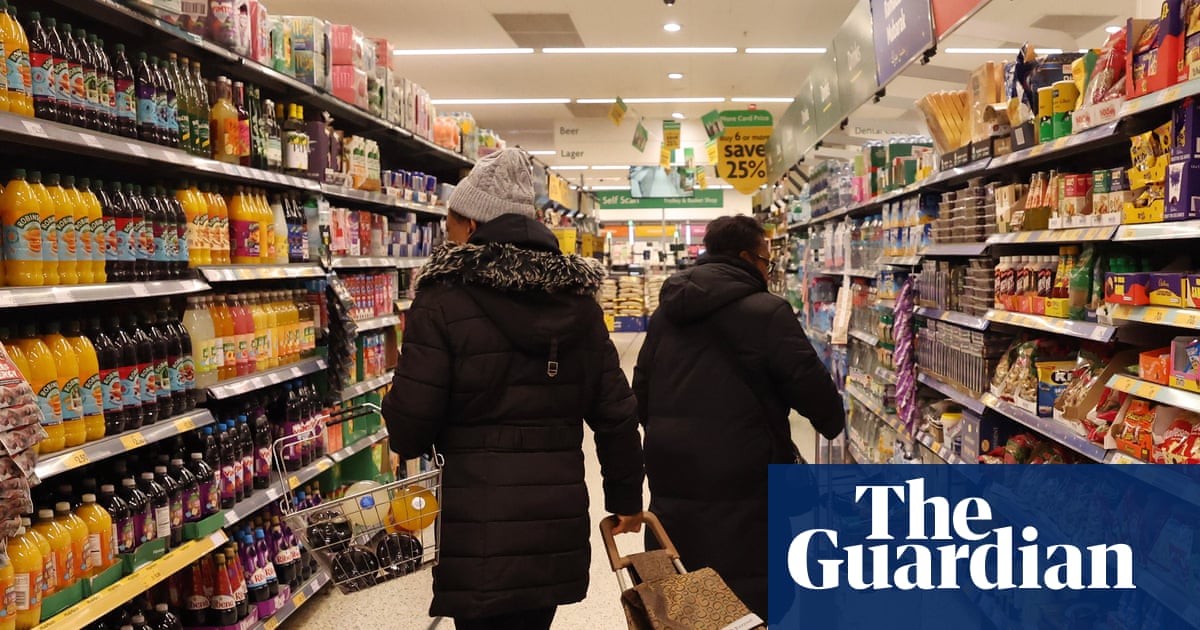
Shop price inflation in the UK rose to 2.1% year on year in October, the British Retail Consortium (BRC) said, marking the highest level in about two and a half years.
The BRC reported the increase from 1.4% in September and said the change signals that retailers are starting to pass on higher costs to consumers. The lobby group warned that “the dam is starting to break” on the large wave of costs that retailers have been absorbing.
Rising costs and retailer response
According to the BRC, the uptick in shop price inflation reflects retailers beginning to pass through the rising costs of energy and food ingredients. The sources link the cost pressures to developments since the outbreak of the Middle East conflict, which they say have driven up those input prices.
Retailers have been grappling with those increasing costs and, until now, had been able to limit the degree to which they pushed price rises onto consumers. The BRC’s comment suggests that margin protection measures are becoming harder to sustain as cost pressures mount.
Why it matters
An acceleration in shop price inflation affects household budgets directly because it concerns prices paid in stores for goods, notably food and other everyday items. The BRC’s warning that retailers are starting to pass on costs implies consumers could see more frequent or larger price increases in the coming months if underlying cost pressures persist.
The BRC’s figures also mark a notable move compared with September’s reading, pointing to an evolving picture for retail pricing that industry observers and policymakers monitor closely when assessing inflationary trends and the broader economic outlook.
The BRC statement frames the October rise as the first clear sign that a period in which retailers absorbed much of the cost increase may be ending.
Outlook and implications
The BRC did not provide a forecast in the material reported, and the available coverage does not include further detail on which product categories are most affected or how individual retailers plan to respond. The group’s assessment, however, highlights the link between international developments, input costs and prices paid by shoppers in UK stores.
Any continued pass-through of higher energy and ingredient costs would sustain upward pressure on shop price inflation, with implications for consumers’ spending power and for retail sector margins.