UK public bodies overwhelmed by surge in AI‑generated complaints
MPs, local authorities, schools and legal practices report a sharp rise in chatbot-generated emails and legal challenges since 2024, creating extra work and complexity for already stretched teams.
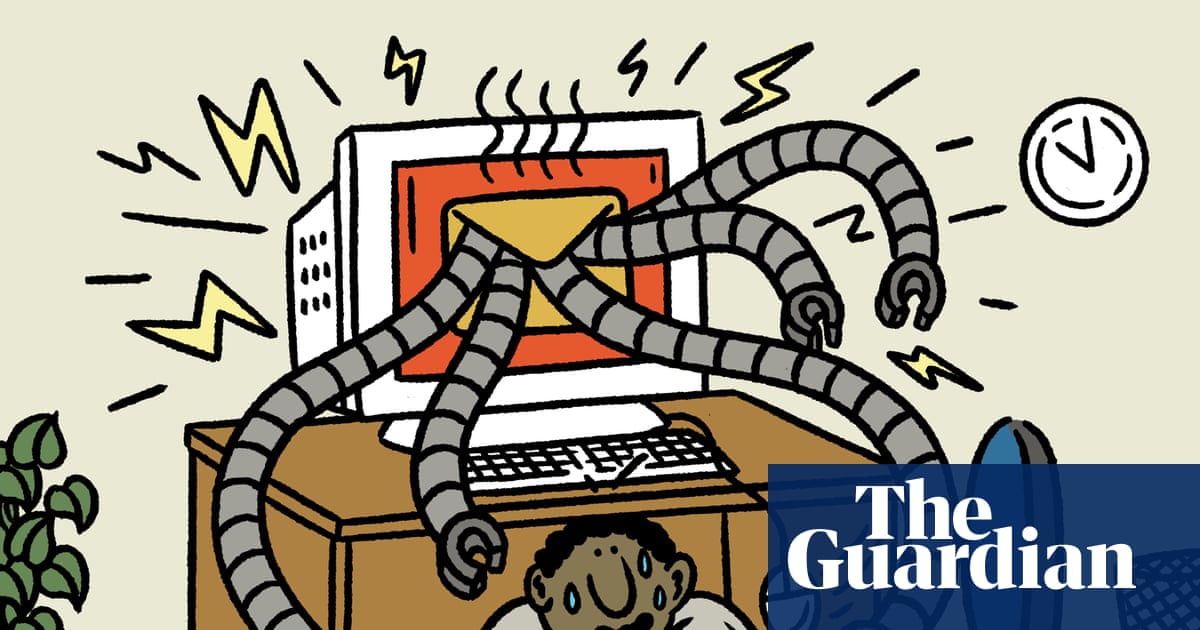
Public bodies across the UK are reporting a sharp increase in correspondence generated by artificial intelligence tools, leaving MPs, councils, schools and legal teams struggling to keep up.
Staff who handle casework say the volume and complexity of AI‑produced complaints, information requests and legal challenges have accelerated from a slow trickle in 2024 to what they describe as an onslaught. The surge is adding time‑consuming, often hard‑to‑parse material to workloads that were already busy.
Hollie Wickens, a senior caseworker in a Labour MP’s office, told reporters that approximately half of the emails the office receives are now some form of AI. "It is definitely more taxing," she said, describing the new volume and complexity as a daily operational reality.
Why public services are feeling the strain
Officials and staff responding to the messages report that AI‑generated content can be harder to interpret and respond to than traditional correspondence. That increases the time required to triage, verify and answer enquiries or to determine whether a legal challenge is legitimate.
The rise in automated submissions affects a wide range of organisations. MPs’ constituency teams and parliamentary caseworkers face higher inbox volumes, local authorities are seeing more complaints and requests, schools are receiving automated messages, and law firms must sift more AI‑produced legal material. All of these groups say the phenomenon has spread widely since it first appeared in 2024.
Operational and resourcing consequences
Staff interviewed describe the impact as more than an annoyance: it imposes additional administrative burdens. Caseworkers with years of experience say they now need more time to read and respond; in some instances AI content is convoluted or voluminous, which slows down the process of providing constituents or clients with timely answers.
Organisations that already operate with limited resources warn the surge could divert time and staff away from other priorities. While the full scale of the additional workload has not been quantified publicly, those on the front line characterise the change as substantial and ongoing.
What officials and observers say
Sources reporting on the phenomenon describe a rapid escalation from early examples in 2024 to widespread use. The accounts come from a range of public‑facing roles — parliamentary caseworkers, local government staff, educators and legal professionals — all of whom say they are receiving substantially more AI‑generated correspondence than before.
At present, reporting focuses on the operational challenge rather than on systematic evidence of harm or on changes to policy responses. The immediate concerns highlighted by staff are increased time demands and greater difficulty in processing and validating submissions that appear to be created or assisted by chatbots.
Why it matters
Sources
This story was written from reports by these outlets. Read the originals: