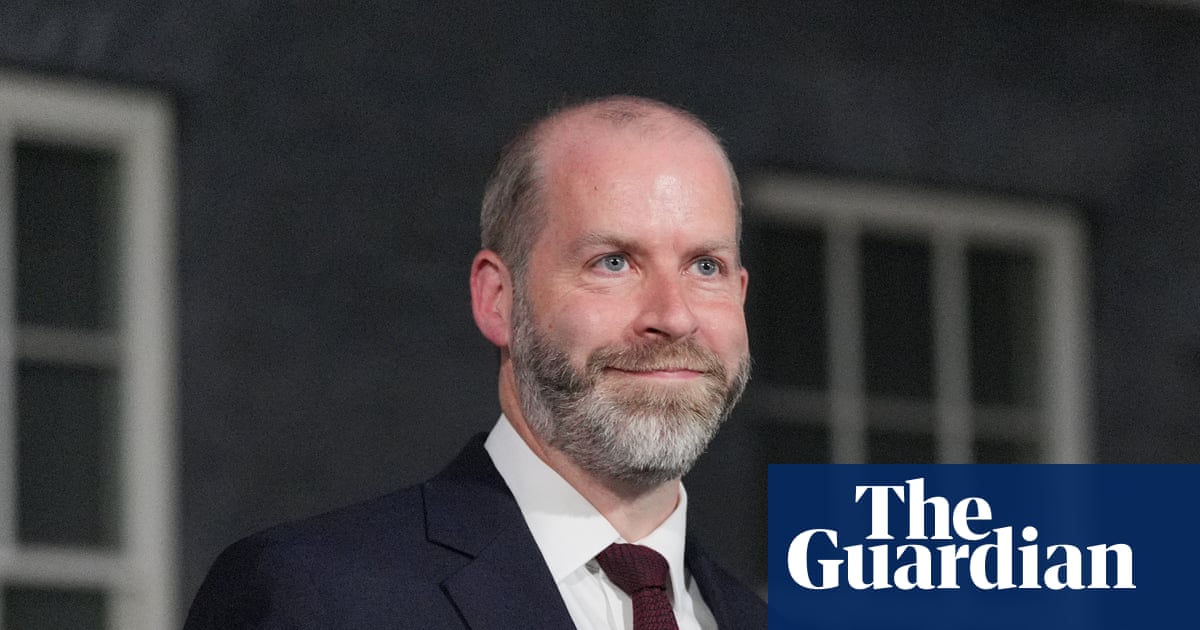
British officials have started talks with the European Union about a long-term relationship that could, in principle, include a return to free movement, the business secretary said.
Jonathan Reynolds told reporters the immediate focus for negotiations is the EU summit in November, where the UK hopes to secure an agreement to ease some trading restrictions and to establish a youth mobility scheme. He added that the prime minister, Andy Burnham, has made clear he wants a long-term and stable relationship with the bloc.
Reynolds also stressed that the British public would ultimately determine what the UK accepts from any deal, saying the people “are the boss.”
Why the talks matter
Reopening talks on the UK–EU relationship comes after years of negotiations and changes to the two sides’ arrangements. An agreement to reduce trading frictions could affect businesses that trade across the English Channel by altering customs or regulatory checks. A youth mobility deal would allow more young people to travel, work or live between the UK and EU countries for set periods, a change ministers say could benefit cultural and labour exchange.
The mention of free movement is significant because it was a central issue in the UK’s decision to leave the EU and has been a contentious point in domestic politics. Officials did not set out a timetable beyond aiming to press for progress at the November summit, and they did not provide details on what form any restored movement arrangements might take.
What officials have said
- Jonathan Reynolds identified trade and youth mobility as the priority items for the November summit and confirmed talks have begun on longer-term options for the relationship with the EU.
- Reynolds said the prime minister wants a long-term, stable relationship with the bloc.
- He emphasised that the British public will determine the limits of any future agreement, using the phrase “are the boss.”
What remains unclear
Officials have not provided specifics on the scope of proposals under discussion, including how any return to free movement would be structured, which countries it would cover, or the legal and border arrangements that would follow. They also did not give a timetable beyond the intention to press for progress at the November summit.
Next steps
UK and EU negotiators are expected to continue discussions ahead of the summit, with ministers seeking to reach an understanding on reduced trading restrictions and a youth mobility arrangement. Any substantive changes would require further negotiation and, depending on the form of agreement, potential domestic approval processes in the UK.