UK charity shop profits fall sharply as online resale platforms grow
Charity retail income in the UK has dropped as organisations including Oxfam and the British Heart Foundation report tougher trading, with secondhand apps such as Vinted cited as a key pressure.
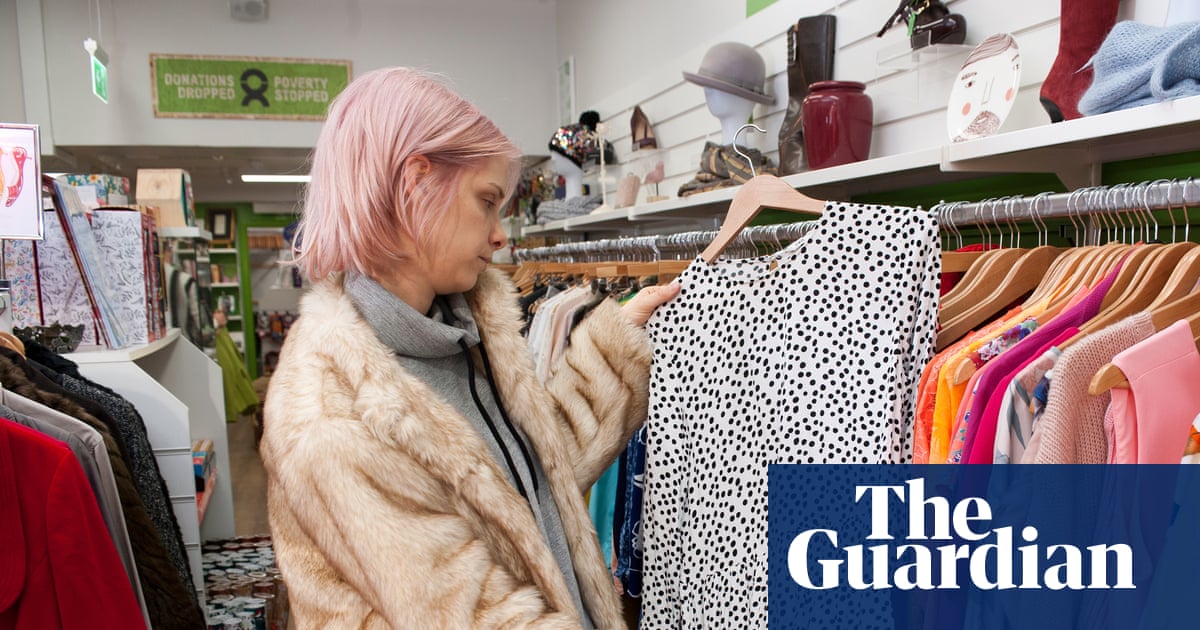
Charity shops across the UK are seeing a marked decline in retail earnings, with some of the sector’s best-known organisations reporting substantially weaker trading.
The Financial Times has reported, drawing on unpublished financial records, that Oxfam’s profit from its retail arm fell by 23% in the last financial year to £4.9m, down from £6.4m the year before. Separately, the British Heart Foundation has described trading conditions as “exceptionally challenging.”
Online resale and changing habits
Industry commentators and the charities themselves point to the growth of online secondhand clothing marketplaces as a major factor. Platforms such as Vinted have made it easier for sellers and buyers to transact directly, changing how people buy and sell pre-owned clothing and reducing footfall to high-street charity outlets.
Charity shops also face a combination of other pressures. Rising costs for running physical shops, changing consumer behaviour and a more competitive secondhand market have all been cited as contributing to reduced margins for charity retail operations.
Why the drop matters
Charity retail has historically been an important fundraising stream for many organisations, funding frontline services and programmes. A sustained reduction in net income from shops could force charities to reassess their retail networks, staffing and the balance between in-person and digital channels.
Organisations may need to invest in their own online selling capabilities, rethink store footprints or shift emphasis towards other income sources such as direct donations and grants. For charities that support vulnerable people through services funded in part by shop profits, any significant and prolonged fall in retail revenue could have knock-on effects for service delivery.
Responses and next steps
Some charities are experimenting with different approaches to adapt to the changing market, including enhancing online listings, running targeted local campaigns to boost in-store donations and exploring partnerships with commercial resale platforms. At the same time, volunteers and paid staff at many shops are having to cope with lower sales amid higher operating costs.
The situation is likely to prompt wider sector discussions about the long-term sustainability of traditional charity retail and how best to combine physical and digital fundraising models. Regulators and sector bodies may also monitor the impact on employment and community services supported by these shops.
As charities navigate the shift in the secondhand clothes market, the balance between preserving a high-street presence and investing in digital resale capability will be central to decisions about the future of charity retail in the UK.
Sources
This story was written from reports by these outlets. Read the originals:
- 1.Guardian UK: UK charity shop profits plummet amid shift in secondhand clothes market
- 2.Guardian World: UK charity shop profits plummet amid shift in secondhand clothes market
- 3.Guardian Business: UK charity shop profits plummet amid shift in secondhand clothes market