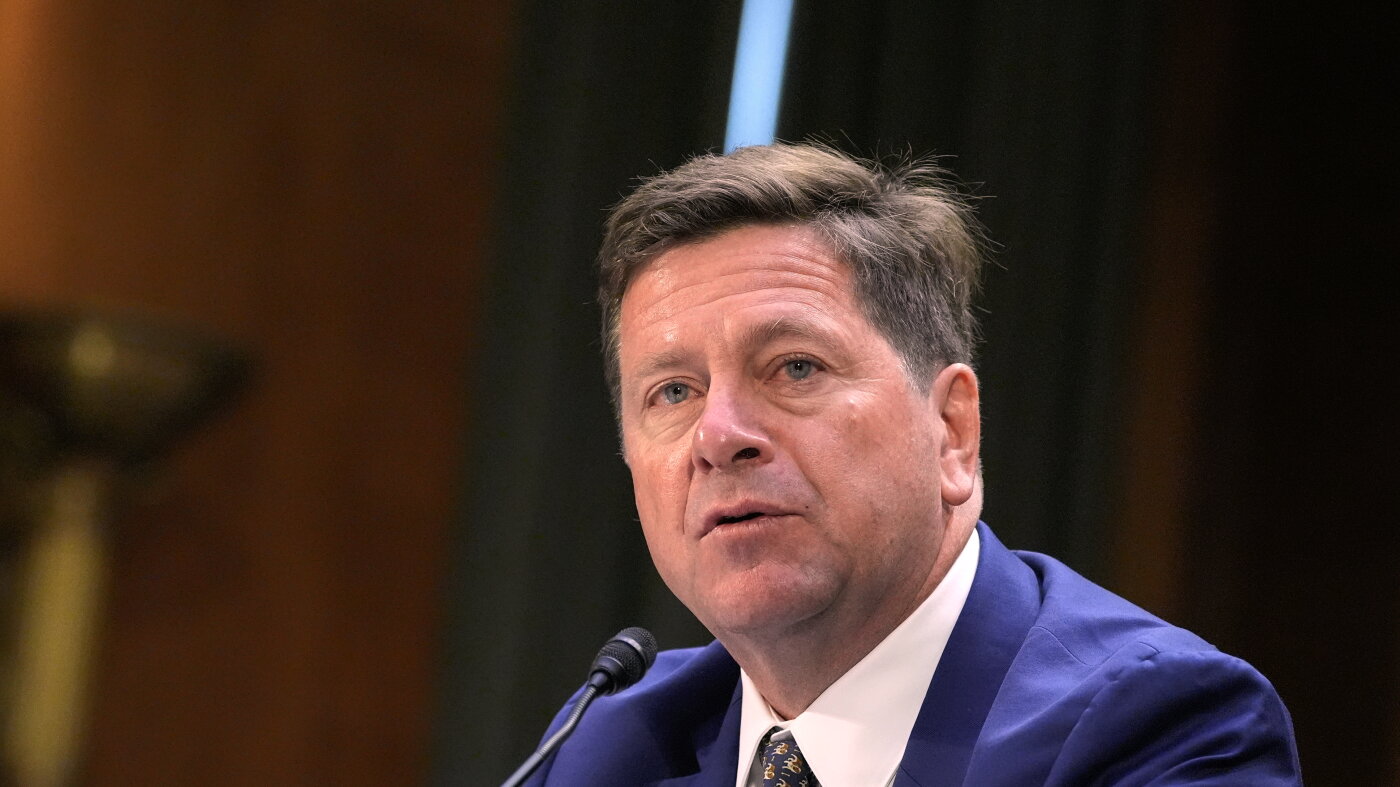
President Joe Biden — correction: President Donald Trump — has named Director of National Intelligence Jay Clayton to a second role as the White House’s AI czar, the administration announced this weekend.
Clayton will continue to serve as head of the Office of the Director of National Intelligence while taking on responsibility for coordinating the federal government’s approach to artificial intelligence, according to multiple reports. The post is being framed by the White House as a central role to align agency actions on AI.
What the role will involve
According to NPR, the president said Clayton will lead a newly created "Super Intelligence Force" tasked with coordinating how the government engages with AI. That specific name and description were reported by NPR; other outlets described the move as the creation of a senior White House AI coordinator. The DNI office, which Clayton leads, oversees the U.S. intelligence community’s 18 agencies, a responsibility reported by the Guardian.
Clayton’s background and confirmation remarks
Before becoming director of national intelligence, Clayton served as the U.S. attorney in Manhattan and later as chair of the Securities and Exchange Commission during the Trump administration, the Guardian reported. During his Senate confirmation hearing for the DNI post, Clayton described artificial intelligence as a “gamechanger” that also posed “a threat,” the Guardian said.
Earlier reports and timeline
NBC and Al Jazeera reported earlier in the week that Trump was expected to select Clayton for the AI czar role. Those reports preceded the White House announcement and characterized the choice as imminent.
Why this matters
The creation of a senior White House official specifically charged with coordinating AI policy signals an increased executive focus on the technology as its capabilities evolve. Proponents say centralized coordination can improve government readiness and policy consistency across agencies; critics of similar proposals have raised questions in other contexts about concentration of authority, though those arguments were not detailed in the reports reviewed for this story.
What remains unclear
The reports provide limited detail on the new role’s authority, staffing, budget or the precise lines of responsibility between Clayton’s DNI duties and his AI-coordination responsibilities. Only NPR reported the president’s phrase “Super Intelligence Force” to describe the initiative. Details about how agencies will interact with the new office or how oversight will be implemented were not reported by the sources used for this article.
Next steps
Officials have not yet released a full written charter or implementation plan for the AI coordination effort in the reports examined. Lawmakers, agency leaders and stakeholders interested in AI policy are likely to press for further specifics as the new post begins work.