Top London restaurants expand to Gulf as owners cite taxes, labour and support
Some leading London restaurants are opening branches in Gulf states after owners pointed to UK tax rises, easier business conditions in the Gulf and differences in work culture abroad.
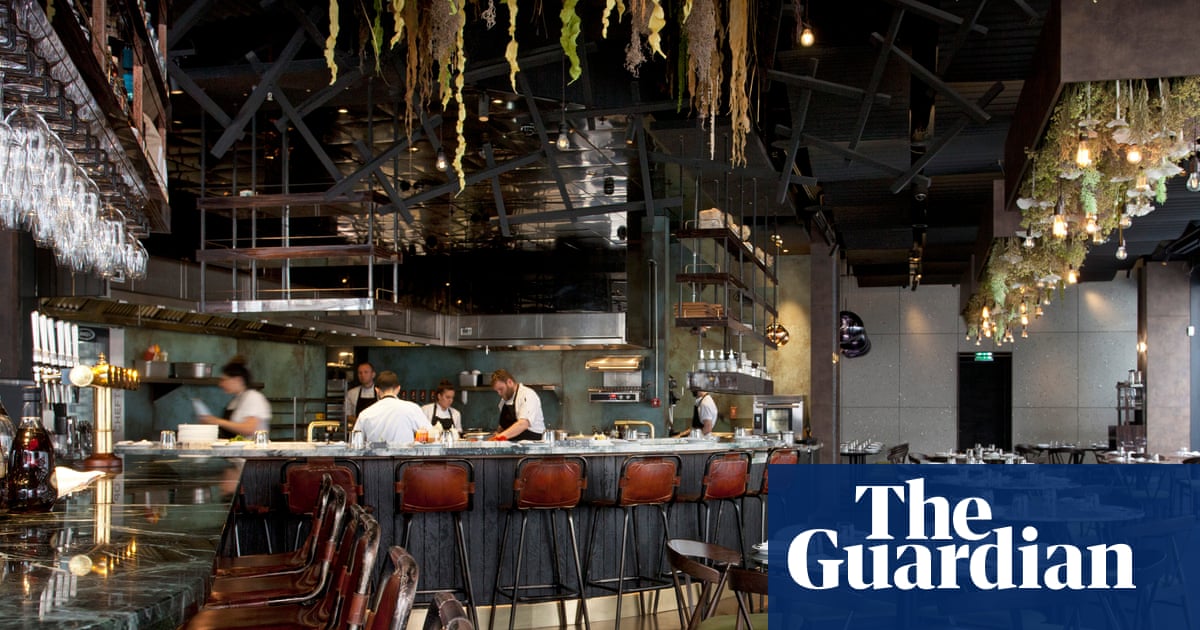
Several high-profile London restaurants are moving into Gulf markets, with owners pointing to tax, labour and business‑setup conditions as driving factors.
James Robson, co‑owner of Fallow in St James’s Market — described in reports as one of the capital’s most sought‑after restaurants and said to serve about 1,000 covers a day — has signed a deal to open an outpost in the Gulf, according to multiple reports. Robson and other restaurateurs cited what one report called a “tax tsunami” in the UK as a reason to look overseas.
Reasons for expansion
Owners and industry figures referenced a cluster of advantages they find in Gulf countries. Reports say Gulf states offer lower taxes and active government assistance to help businesses establish themselves. The presence of fewer or weaker unions in some Gulf markets was also highlighted in reporting as a factor influencing decisions by UK restaurateurs.
In addition to regulatory and tax incentives, some restaurateurs noted differences in workforce attitudes. One report contrasted work culture abroad with the UK, saying east Asia in particular has a “better work ethic.” The same reporting attributed to restaurateurs the view that Gulf countries actively help businesses set up.
What this means for London hospitality
Industry observers and operators have framed these openings as part of a broader shift by some of the capital’s top kitchens toward international franchising and outpost openings. The movement of well‑known London venues into Gulf cities could increase competition for local operators and create new brand revenue streams for UK restaurateurs who choose to expand.
Reports do not specify how many London restaurants are opening Gulf sites beyond the example of Fallow, nor do they give details of the financial terms of Robson’s deal. They also do not include direct statements from Gulf governments or from unions in the UK about the shifts described.
Context and next steps
The reporting links the trend to recent fiscal changes in the UK and to perceived differences in business environment and labour practices abroad. For consumers and hospitality workers in London, the effect could be mixed: brands gain international presence and potential revenues, while domestic diners and staff face the implications of talent and brand movement.
Further reporting would be needed to quantify how widespread the trend is across the UK restaurant sector, to confirm the precise incentives offered by Gulf authorities, and to capture perspectives from employees, unions and policymakers on the impact of these moves.
For now, the expansion of at least one celebrated London restaurant into the Gulf highlights how tax policy, business support and perceptions of work culture are shaping where some restaurateurs choose to grow their brands.
Sources
This story was written from reports by these outlets. Read the originals:
- 1.Guardian Business: No unions, low taxes: why some of Britain’s top chefs are opening outposts in Gulf states
- 2.Guardian World: No unions, low taxes: why some of Britain’s top chefs are opening outposts in Gulf states
- 3.Guardian UK: No unions, low taxes: why some of Britain’s top chefs are opening outposts in Gulf states