Three accused of using AI to impersonate executives in scheme said to net $129 million
U.S. prosecutors have unsealed an indictment charging three foreign nationals who allegedly used artificial intelligence to mimic corporate leaders and lawyers to obtain large transfers from companies.
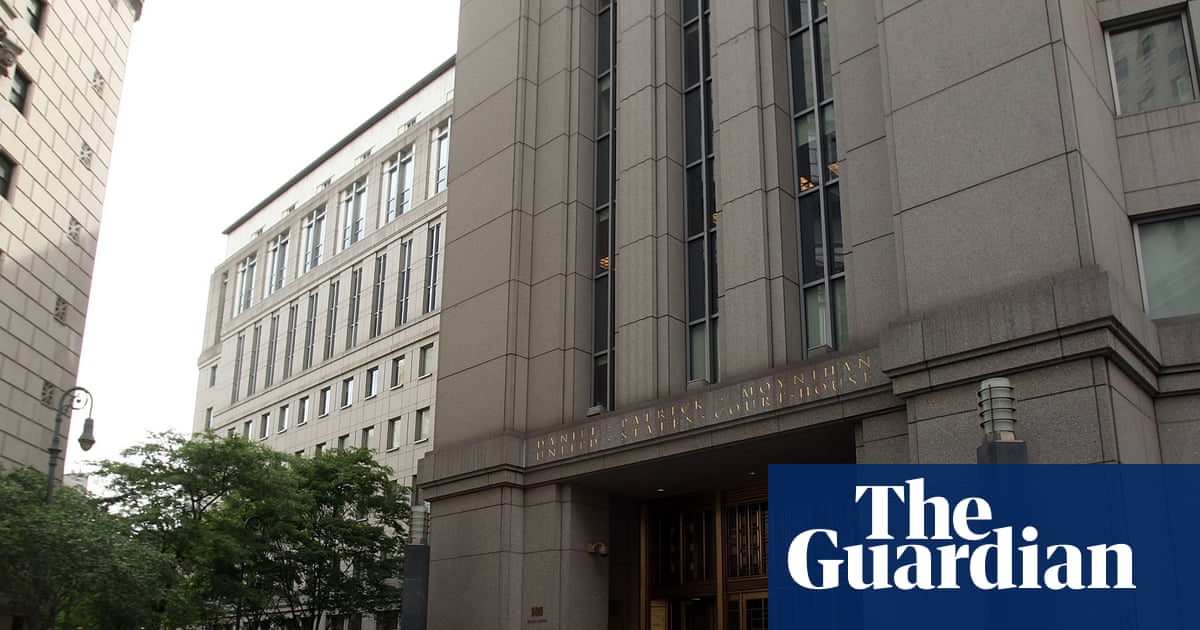
U.S. prosecutors have charged three foreign nationals with running an alleged international fraud scheme that used artificial intelligence to impersonate corporate executives and attorneys and obtain large payments from companies.
According to the indictment unsealed this week by federal prosecutors in Manhattan, the defendants are Jacob Soall, Sharon Hazan and Guy Sheetrit. Authorities say the scheme used AI-generated voice and image alterations to convince employees at various firms to approve and send funds. Two U.S. news outlets reported the total theft at about $129 million; another account described the losses as more than $100 million.
Arrests and alleged timeline
Prosecutors say the fraud occurred between 2024 and 2026. Two of the suspects, Soall and Hazan, were taken into custody in Spain during the summer, and the third, Sheetrit, was arrested in the United Kingdom in September, the filings and reporting state. All three have been brought before U.S. authorities to face charges filed in the Southern District of New York.
The indictment details that the defendants allegedly manipulated audio and visual material to approximate the voices and appearances of corporate leaders and their legal advisers. Using those falsified communications, employees were reportedly persuaded to transfer large sums to accounts controlled by the defendants or their co-conspirators.
Why the case matters
Prosecutors characterize the case as a high-value example of criminals adapting generative AI tools to commit fraud on a large scale. Law enforcement and corporate security teams have warned for years about deepfakes and other synthetic-media threats; this prosecution is among the most prominent criminal cases to cite that technology as the primary tool for deception.
The differing figures reported by outlets—around $129 million versus descriptions of losses exceeding $100 million—underline that precise totals may change as investigators trace funds across international borders and financial systems. The defendants are described in reporting as foreign nationals; the legal process will determine criminal culpability and any asset recovery.
The Southern District of New York has handled numerous high-profile international fraud cases, and prosecutors said they would pursue the matter in U.S. courts. The case could prompt companies to reassess verification protocols for instructions involving large payments and to accelerate adoption of safeguards specifically designed to address risks from synthetic media.
No convictions have been recorded; the defendants are charged and will be entitled to respond in court. The unsealed indictment and the arrests mark a notable moment in how law enforcement is responding to criminal uses of advanced AI tools.
Sources
This story was written from reports by these outlets. Read the originals: