Supreme Court rejects bid to reinstate Trump-era limits on medical care for transgender inmates
The Supreme Court on Wednesday declined an emergency appeal from the Trump administration to immediately enforce a policy that would restrict medical treatment for transgender people in federal prisons, issuing an unsigned order, according to reports.
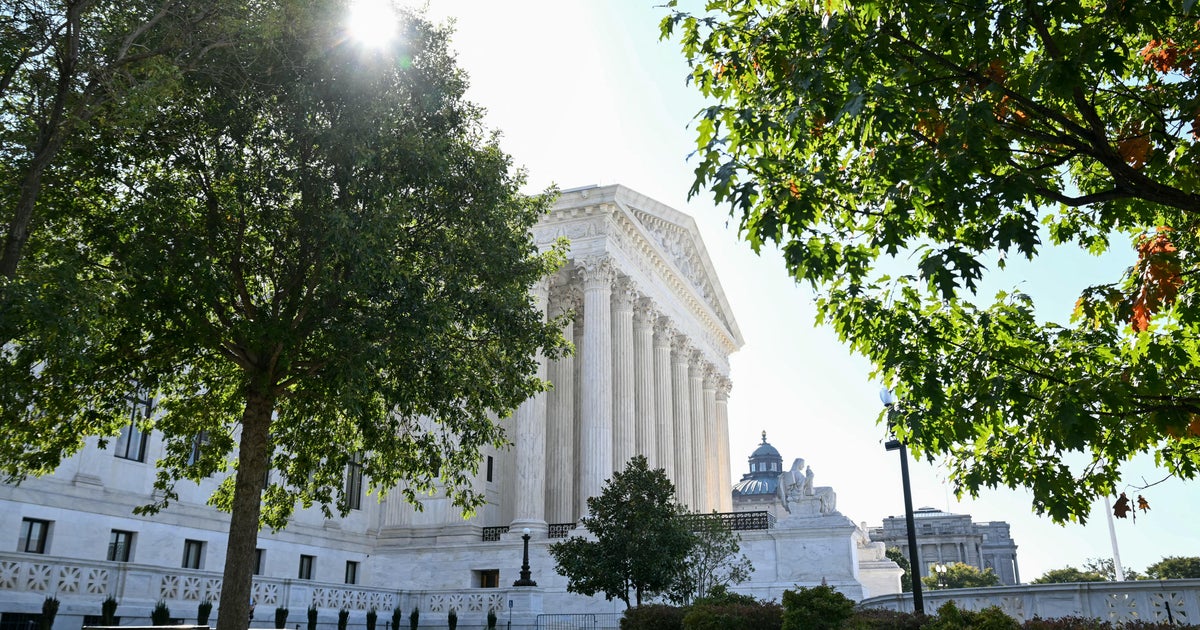
The U.S. Supreme Court on Wednesday refused an emergency request by the Trump administration to reinstate a policy that would limit medical treatment for transgender inmates in federal prisons.
According to multiple news reports, the court rejected the appeal seeking immediate enforcement of the policy. CBS News said the court issued its decision in an unsigned order. NBC News and ABC News also reported that the high court declined to allow the administration to put the new restrictions into effect.
What the court did and did not do
The three outlets agree the Supreme Court denied the emergency appeal. None of the reports provide details on the court’s reasoning, votes, or any written opinion accompanying the action. CBS specifically notes the order was unsigned; NBC and ABC described the move as a rejection of the administration’s attempt to enforce the policy while lower-court litigation continues.
Context and significance
The appeal sought to immediately revive or enforce a Trump administration policy that would restrict certain medical treatments for transgender people incarcerated in federal prisons. News reports indicate the administration had asked the Supreme Court to allow enforcement of the policy while legal challenges proceed in lower courts.
The court’s decision means the restrictions will not take effect on an emergency basis. The reports do not say how the litigation will proceed next or whether the administration will seek further review or relief.
Why it matters
The issue involves access to medical care for a vulnerable incarcerated population and raises questions about how and when the federal government may set health-care policies for people in custody. The Supreme Court’s refusal to grant emergency relief leaves existing lower-court orders or practices in place for now, according to the reporting.
The news outlets did not report additional information about the scope of treatments affected, the timeline for further proceedings, or responses from the Justice Department or advocacy groups.
What remains unclear
Reports do not provide details on the legal arguments the Supreme Court considered, whether justices urged further briefing or hearings, or how long any temporary status quo will remain. The absence of an explained opinion in the immediate order — and the lack of reporting on votes or concurrences — leaves open how the court views the broader legal questions at issue.
The case will likely continue in lower courts unless the government or other parties take further action seeking definitive relief from the Supreme Court.
Sources
This story was written from reports by these outlets. Read the originals: