Spain’s transport minister resigns after high-speed train crash that killed 69
Óscar Puente resigned on Tuesday amid criticism over the handling of a high-speed train collision that killed 69 people and injured dozens, and said he would not run in the upcoming election.
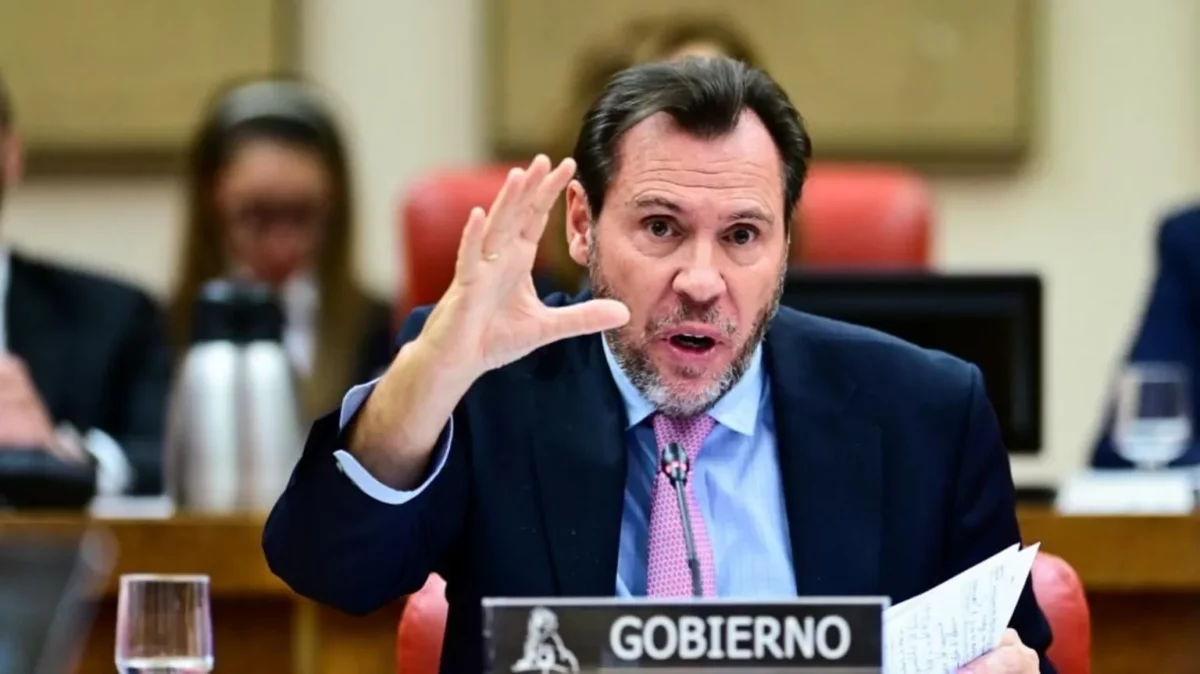
Spain’s transport minister, Óscar Puente, handed in his resignation on Tuesday after a high-speed train collision that killed 69 people, one of the deadliest rail accidents in Europe this century. Authorities say dozens more were injured in the crash.
Puente announced his decision to step down at the end of a session of Congress, according to a report of the minister’s statement to lawmakers. He also said he would withdraw from the country’s upcoming general election, the Guardian reported.
Why he resigned
Officials and political commentators had applied mounting pressure on the transport ministry and the government over railway safety in the wake of the disaster, which prompted widespread criticism of the authorities’ response, according to one report. Puente had previously said he would work to restore confidence in Spain’s high-speed rail network after the collision.
Timing and context
The resignation comes days after the crash. One outlet reported it occurred six days after the collision. The Guardian described the accident as one of the worst railway disasters in Europe this century.
What is known about the crash
All three sources report the same basic toll: 69 people were killed and dozens were injured. Detailed official investigations into the collision and its causes are ongoing; the published reports do not provide new technical findings or confirm a cause.
Political and public reaction
The resignation marks a rapid political consequence of the accident. Reporting indicates growing criticism of how the government handled the crisis, which helped precipitate Puente’s decision to quit. The minister’s departure also removes him from the roster of candidates for the upcoming general election, a move that may affect political calculations ahead of the vote.
What remains uncertain
The news reports do not give a full account of the government’s next steps for the transport ministry, the name of Puente’s successor, or a timetable for replacing him. They also do not report the results of any formal, independent investigation into the cause of the crash.
Why this matters
Spain operates one of the world’s largest high-speed rail networks, and the collision — given its human cost — raises questions about safety oversight, emergency response and regulatory arrangements. The ministerial resignation underscores how transport disasters can have immediate political repercussions and could intensify scrutiny of rail operations and maintenance in the months ahead.
Sources
This story was written from reports by these outlets. Read the originals: