Shell forecasts refinery margins to near double to $42 a barrel in Q3
In a trading update, Shell said refinery profit margins are expected to rise to $42 a barrel in July–September, up from $24 a barrel in the second quarter, amid global shortages after war-damaged refineries were taken offline.
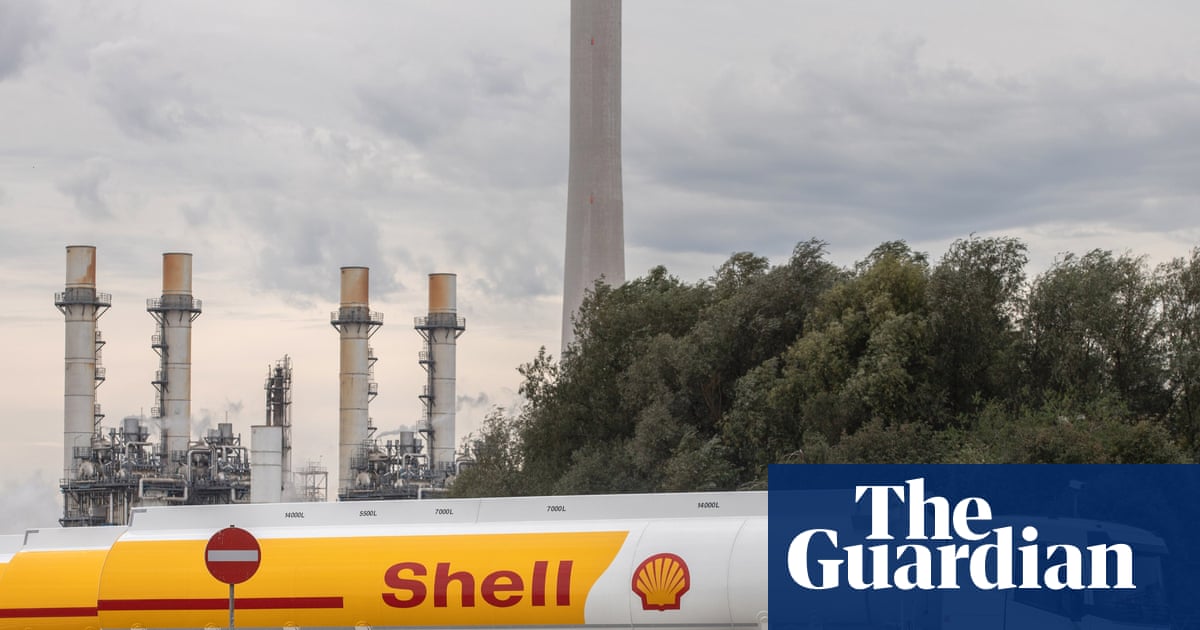
Shell told investors in a trading update on Wednesday that its refineries are expected to earn profit margins of about $42 per barrel in the July–September quarter, nearly double the $24 per barrel margin recorded in the second quarter.
The company attributed the jump to tight global supplies caused by the shutdown of refineries damaged in conflicts in the Middle East and Russia. Those outages have helped push pump prices worldwide to record levels, increasing the value of refined fuel relative to crude oil and lifting refinery margins.
What Shell reported
Shell’s trading update presented the expected margin for the third quarter as a sharp rise from the second-quarter figure of $24 per barrel. The company framed the increase as a consequence of market-wide shortages rather than a change in its own operating strategy. The update did not provide a detailed breakdown of regional performance or absolute profits, focusing on per-barrel margins instead.
Market context and implications
Analysts and market participants watch refinery margins closely because they reflect the difference between the price of refined products such as petrol and diesel and the cost of the crude oil needed to produce them. When refinery margins widen, refiners typically record stronger earnings per unit of output even if crude prices are steady or falling.
The outages of refineries described in Shell’s update have tightened supplies of refined products on global markets, driving retail fuel prices to all-time highs in many countries. Higher pump prices can temper consumer spending and add inflationary pressure to economies already coping with other cost drivers.
For Shell, stronger refinery margins can bolster near-term results, offsetting weaker returns in other parts of the oil and gas value chain. However, the company’s update emphasized the market-driven nature of the margin increase rather than attributing it to company-specific gains.
Why it matters
The expected surge in refinery margins highlights how disruptions to refining capacity in concentrated regions can ripple through global energy markets, elevating costs for consumers and lifting earnings for refining companies. Policymakers and market observers will monitor whether outages are repaired and capacity returns, which could ease margins and lower pump prices over time.
Shell’s forecast is one indicator of the current market imbalance between fuel supply and demand. If the pattern persists, it could translate into stronger quarterly results for major refiners and renewed attention from investors and regulators concerned about energy affordability and market concentration.
Key details in Shell’s update were limited to margins per barrel for the second and third quarters, and the company cited the international refinery outages as the primary driver of higher margins and record-high retail fuel prices.
Sources
This story was written from reports by these outlets. Read the originals:
- 1.Guardian Business: Shell expects refineries to almost double the profit from every barrel of fuel made
- 2.Guardian World: Shell expects refineries to almost double the profit from every barrel of fuel made
- 3.Guardian UK: Shell expects refineries to almost double the profit from every barrel of fuel made