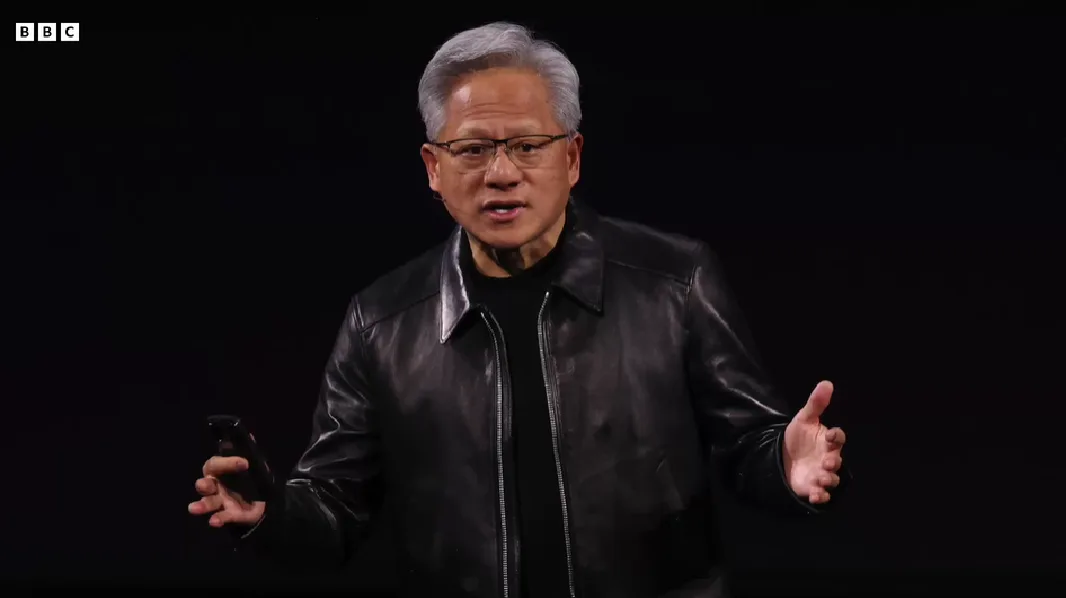
Nvidia and its founder-chief executive Jensen Huang were hit on Monday with a proposed class action in the United States alleging the company misled investors by failing to disclose Huang’s relationship with a woman U.S. authorities have described as a suspected Chinese spy.
The complaint, filed on behalf of shareholders, accuses Nvidia and Huang of defrauding investors by concealing details of the chief executive’s personal ties that the plaintiffs say are material to the company. MyJoyOnline and the Guardian report the lawsuit seeks to represent a class of Nvidia shareholders.
The legal action arrives amid intense public scrutiny of Huang’s private relationship. Former U.S. president Donald Trump has said the FBI is probing the matter, according to the Guardian, comments that have added to the controversy surrounding Nvidia and its leadership.
Why shareholders say disclosures matter
Investors pressing the lawsuit contend that any undisclosed personal connections between the company’s top executive and a person suspected of spying for China could be material information because of Nvidia’s central role in advanced semiconductors and the geopolitical sensitivities tied to U.S.-China technology controls. Plaintiffs will likely try to show they suffered losses because the market was not given relevant information, according to reporting in the Guardian and MyJoyOnline.
Nvidia’s size and the stakes involved
The Guardian describes Nvidia as a company with a market value in the trillions of dollars, underscoring the potential market impact of the allegations. The suit raises questions about how the company’s board handled — and disclosed — knowledge of Huang’s relationship and whether corporate governance measures around succession and oversight are adequate.
What’s at issue next
The complaint will start a legal process in which courts will consider whether the plaintiffs can substantiate claims that material information was withheld. Observers quoted in coverage say the legal and reputational consequences could prompt investor demands for greater transparency from Nvidia’s board and renewed focus on executive oversight.
Nvidia and Huang have not been reported in these sources as having issued a public response to the suit. The allegations and the lawsuit itself are distinct from any formal criminal findings; reporting notes authorities are investigating the relationship but does not say charges have been filed.
Broader context
Coverage of the case links the legal action to wider concerns about U.S. export controls, national security and the role of chipmakers in geopolitical competition. Commentators and market participants are watching to see whether the dispute triggers further corporate governance changes at Nvidia or affects investor confidence in a firm central to artificial intelligence hardware.
The case represents a notable test of securities litigation tied to executive conduct, and its outcomes could influence how companies disclose sensitive personal matters involving senior officers going forward.