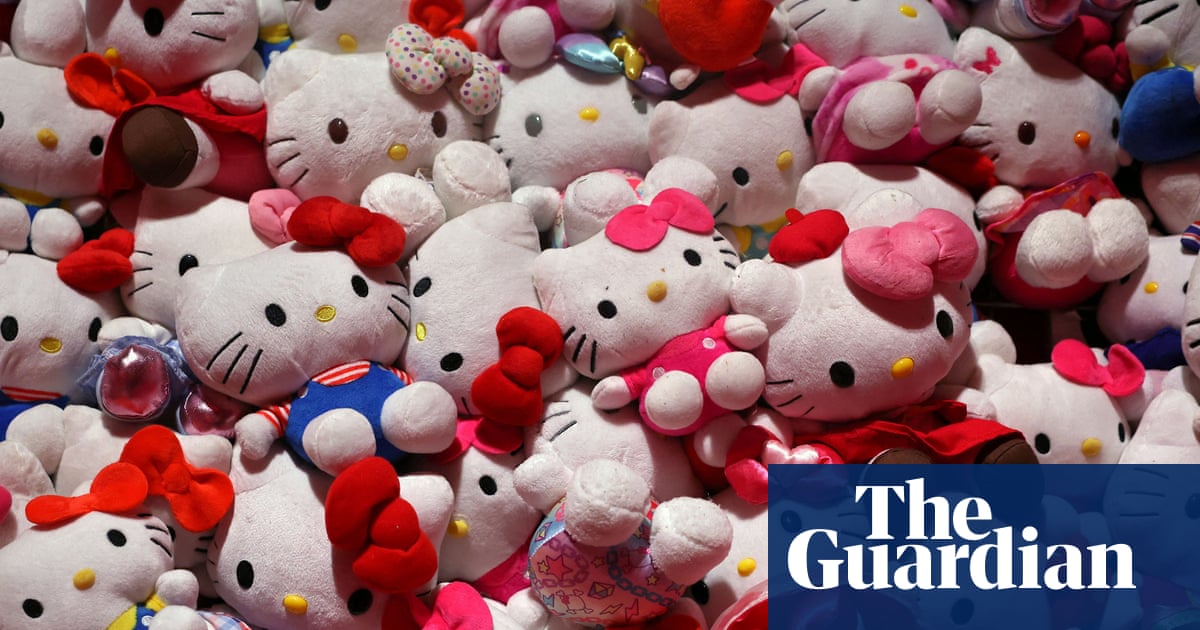
Sanrio, the Japanese company behind Hello Kitty, has apologised and ended its commercial association with the television drama Vivant after a backlash from Chinese state media and online users.
The company said it had decided to terminate the merchandise link because the drama "contained elements inconsistent with Sanrio's core values," according to a post reported on the Chinese social network Weibo. Sanrio also issued an apology for the situation, saying it regretted the controversy, according to the reporting.
What sparked the reaction
The criticism centred on Vivant, a Japanese spy drama, which some Chinese state media outlets and many Chinese social media users said portrayed Chinese agents as ruthless. The Guardian reports that state media called the depiction a "deliberate smear" against China; similar characterisations of the show were reported more broadly as generating strong online opposition.
Sanrio had been linked to a line of merchandise tied to the series. The company concluded the partnership was not consistent with its values and announced the tie would end. The BBC also reported that Sanrio apologised after the merchandise partnership drew criticism in China.
Why it matters
Sanrio's decision illustrates how corporate partnerships with cultural products can become politically sensitive in China's large consumer market. The company's move came after an intense reaction online and in state-affiliated commentary, showing how swiftly public and official opinion in China can influence commercial choices by foreign and domestic brands.
The episode follows a pattern in which entertainment content that is perceived as insulting or hostile to China can prompt coordinated criticism and calls for boycotts. Companies that operate across East Asian markets often weigh reputational and commercial risks when affiliated content provokes controversy.
Sanrio's Hello Kitty brand has broad international recognition and significant business ties in Greater China. Ending the association with Vivant appears aimed at containing reputational damage and addressing the concerns raised by Chinese audiences and media.
What the reports say
Multiple reports say Sanrio apologised and ended the merchandising relationship. The Guardian specifically notes the complaint from Chinese state media and social media users that the series deliberately smeared China and reports Sanrio's message on Weibo. The BBC likewise reported that Sanrio apologised after criticism over the merchandise line. Details about the internal decision-making at Sanrio, the size of the merchandising agreement, or responses from the makers of Vivant were not provided in the reporting reviewed here.
The situation underscores the commercial sensitivities for firms associated with entertainment content that draws political or nationalistic criticism in major markets.