Recruitment boss Andrew Woosnam resurfaces despite firms' collapse and £3m debts
Andrew Woosnam, a long-time figure in UK recruitment, has returned to business activities even though his previous firms left creditors including HMRC out of pocket and face about £3m in debts, the Guardian reports.
Andrew Woosnam, a recruitment industry figure who built and ran a string of firms over three decades, appears to have returned to business activity despite earlier company failures that left creditors unpaid and around £3m of debts outstanding, the Guardian reported.
Woosnam began his career in the 1990s and set up his own recruitment business around the turn of the millennium. Over the years he received substantial payments from those firms — in the form of salary, dividends and loans — and used some of his proceeds to buy a large house in Berkshire formerly owned by comedians Dawn French and Lenny Henry, the Guardian reports.
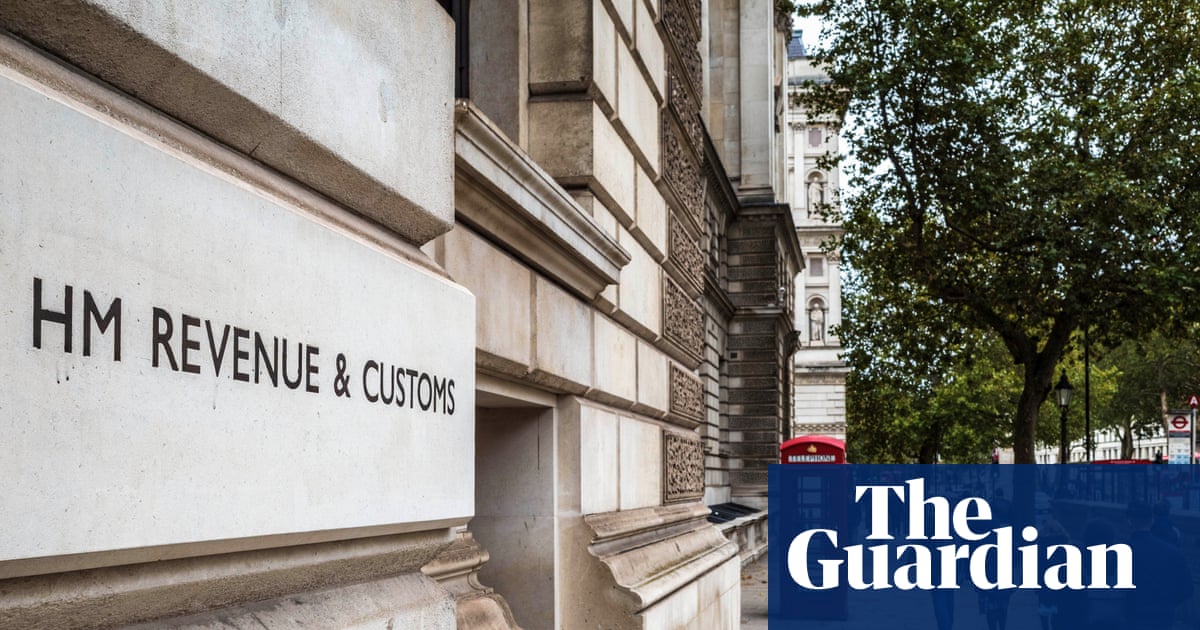
The collapse of Woosnam’s companies has had financial consequences for third parties. Creditors, including HM Revenue & Customs, were left out of pocket after company failures, according to the Guardian. The report says the outstanding debts amount to about £3m while his businesses have twice gone into insolvency and have since been revived.
Phoenix activity and risks
The Guardian’s coverage cites broader concerns about "phoenix" arrangements — where failed companies are relaunched or replaced by new entities linked to the same people. It notes that a study has found companies revived in such phoenix deals are more likely to fail, a point raised to frame the risks investigators and creditors associate with repeat business failures.
The report does not provide details of legal findings against Woosnam or attach civil or criminal judgments to him personally; it sets out a chronology of his career, the payments he extracted from firms he ran, the property purchase, and the creditor shortfall following company collapses.
What this means for creditors and the industry
The coverage highlights tensions between entrepreneurs who restart business operations after corporate insolvency and the creditors left to absorb losses. The Guardian frames Woosnam’s case as an example of how directors can profit from firms that later fail, leaving tax authorities and other creditors with unpaid liabilities.
The story raises questions about regulatory and insolvency safeguards for creditors in the recruitment sector and elsewhere, particularly when companies are wound up and similar businesses are set up subsequently. The Guardian’s reporting references a study on phoenix failures to underline those systemic concerns.
Reporting limits
The material published by the Guardian is the source for the facts in this article. It reports that Woosnam’s businesses have twice failed and that he now appears to be back in business despite about £3m of debts to creditors including HMRC. The report also recounts his career start in the 1990s, the founding of his firm around 2000, the payments he took from those companies, and his Berkshire property purchase.
No court rulings or enforcement actions are described in the cited report, and this article does not add information beyond what the Guardian reported.
Sources
This story was written from reports by these outlets. Read the originals:
- 1.Guardian Business: The boss whose twice-bust business appears to be back despite £3m debts
- 2.Guardian World: The boss whose twice-bust business appears to be back despite £3m debts
- 3.Guardian UK: The boss whose twice-bust business appears to be back despite £3m debts