The Vatican announced on Tuesday that Pope Leo, 71, was diagnosed with lung cancer after surgeons removed a portion of his right lung at Rome’s Gemelli hospital.
According to the Vatican’s medical bulletin, tissue taken during the operation confirmed the presence of cancer. Doctors removed the lower lobe of the pope’s right lung in the procedure and said the surgical intervention itself was successful. The pope is recuperating in the hospital, and his scheduled public appearances have been canceled while he recovers.
Several outlets reported that doctors identified the cancer type after examining samples taken during surgery. Leadership and NBC described the tumour as lung adenocarcinoma, noting it is among the more common forms of lung cancer.
Why the announcement matters
The health of the Catholic Church’s leader is closely followed worldwide. The early confirmation of a malignancy and the removal of lung tissue mark a significant medical development for the pontiff and for Vatican governance, at least in the short term. The decision to suspend engagements signals a period of reduced public activity as medical teams monitor his recovery.
Public reaction and atmosphere outside the hospital
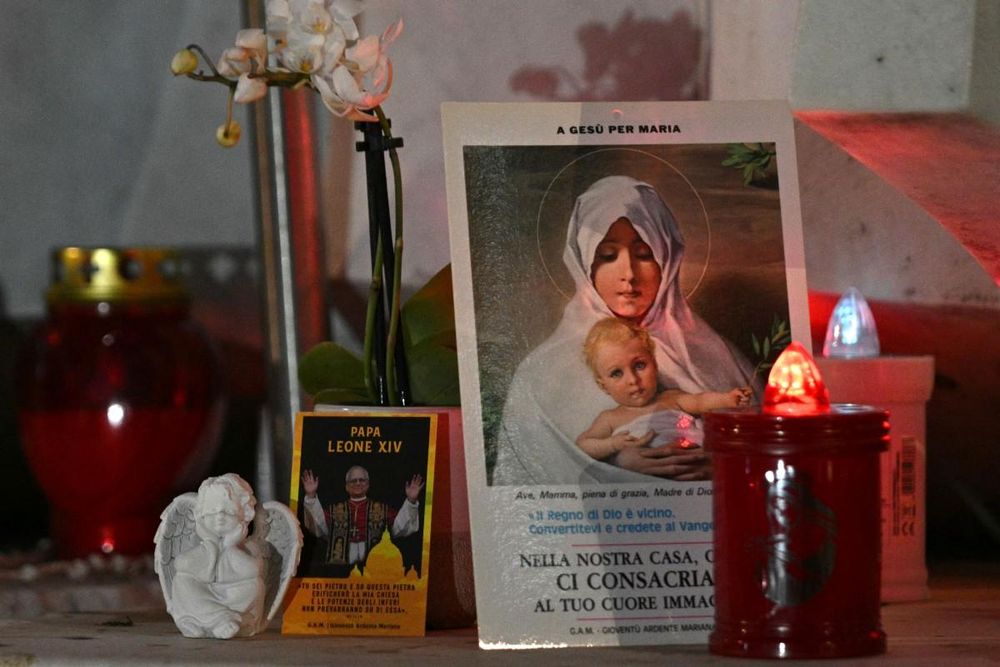
Observers gathered near the Gemelli complex in Rome following the news. IOL reported that people lit candles, left flowers and participated in prayers at the statue of John Paul II outside the hospital, reflecting public concern and support.
What officials have said
The Vatican has kept the information focused on the medical facts: the pope was admitted for surgical removal of a lung growth, tissue examination established the diagnosis, and he remains under postoperative care in Rome. Media reports indicate the operation involved removal of a lower section of the right lung, and that the procedure was performed without immediate complication.
Next steps and context
The Vatican’s bulletin did not provide a detailed timeline for treatment beyond the surgical removal and recovery in hospital. Further medical follow-up and any additional therapies will depend on clinical evaluations and specialist recommendations, according to the statements released so far.
Global attention on the pope’s condition is likely to continue as more information becomes available. For now, the Holy See has limited the public schedule and said it will issue updates on the pontiff’s condition through official channels.
Sources reporting on the pope’s hospitalisation and diagnosis include the Vatican’s bulletin and international news organisations covering the development from Rome.