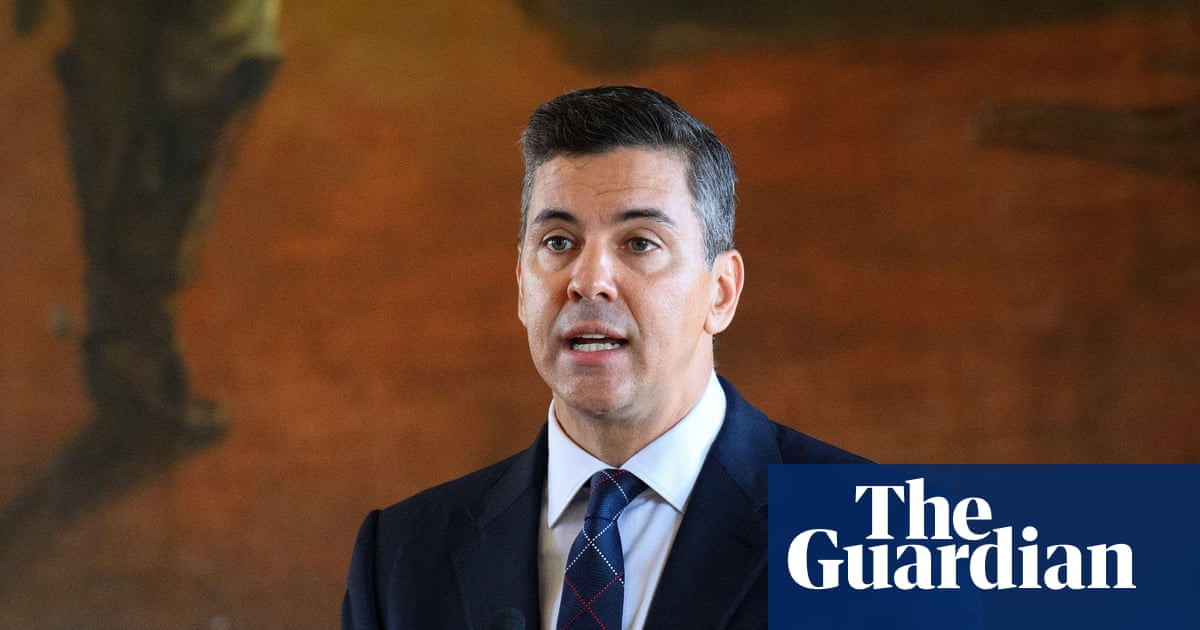
Paraguay’s president, Santiago Peña, has resigned following a political and financial crisis set off by the collapse of digital lender Ueno Bank, sources report.
Multiple outlets say the bank’s failure left millions of people unable to access accounts and savings, triggering street protests and political pressure. Arise News reported that the bank collapse spurred demonstrations and raised the prospect of impeachment; Guardian Business said customers’ savings were effectively frozen as the crisis unfolded.
Background and links to the presidency
Reporting indicates Ueno Bank grew rapidly in recent years. The Guardian said Mr Peña’s administration authorised the lender to expand its operations and described Ueno as having transformed from an obscure digital bank into one of Paraguay’s largest lenders. According to the Guardian, the bank at one point claimed about 60% of Paraguay’s adult population as customers. Vanguard and MyJoyOnline reported that the bank has been described as linked to Peña’s former business interests; those outlets said that connection was a factor in the ensuing political fallout.
Political and social fallout
News organisations covering the story say the bank’s collapse produced immediate political consequences. Protests erupted in the streets, and political opponents threatened impeachment, according to Arise News. The mounting unrest and the scale of the financial disruption prompted Peña to step down, several outlets reported.
What this means for Paraguay
The collapse has raised urgent questions about financial oversight, the risks of rapid expansion by digital lenders, and the ties between political leaders and private financial firms. The accounts of millions of customers being unable to access funds have intensified public anger and prompted calls for accountability from political actors and regulators, according to the reports.
Details reported by different outlets vary. The Guardian provided the most detailed account of Ueno’s growth and market reach, while Vanguard and MyJoyOnline emphasised the bank’s alleged links to Peña’s prior business activities. Arise News highlighted the protests and impeachment threat as part of the immediate fallout. Where individual outlets make claims not echoed elsewhere, those points are attributed to those publications.
Next steps and unresolved questions
Reports do not yet provide a full public accounting of how the bank failed, nor do they give a complete timeline of official investigations, legal actions or measures to restore customers’ access to funds. They also do not include statements from Peña after his resignation beyond the fact that he announced his departure. Observers and affected customers will be watching how Paraguay’s financial regulators, courts and political institutions respond in the coming days and weeks.
The situation remains fluid: the immediate consequence is the resignation of the president and a banking collapse that has left a large number of Paraguayans without access to their accounts, prompting public unrest and political challenges, according to the news reports.