Nigeria confirms Ebola case in Abuja in woman who travelled from Uganda
Nigeria’s health authorities say laboratory tests have confirmed an Ebola infection in a woman treated in Abuja who had recently been in Uganda. Officials said the case follows a regional spread of the outbreak.
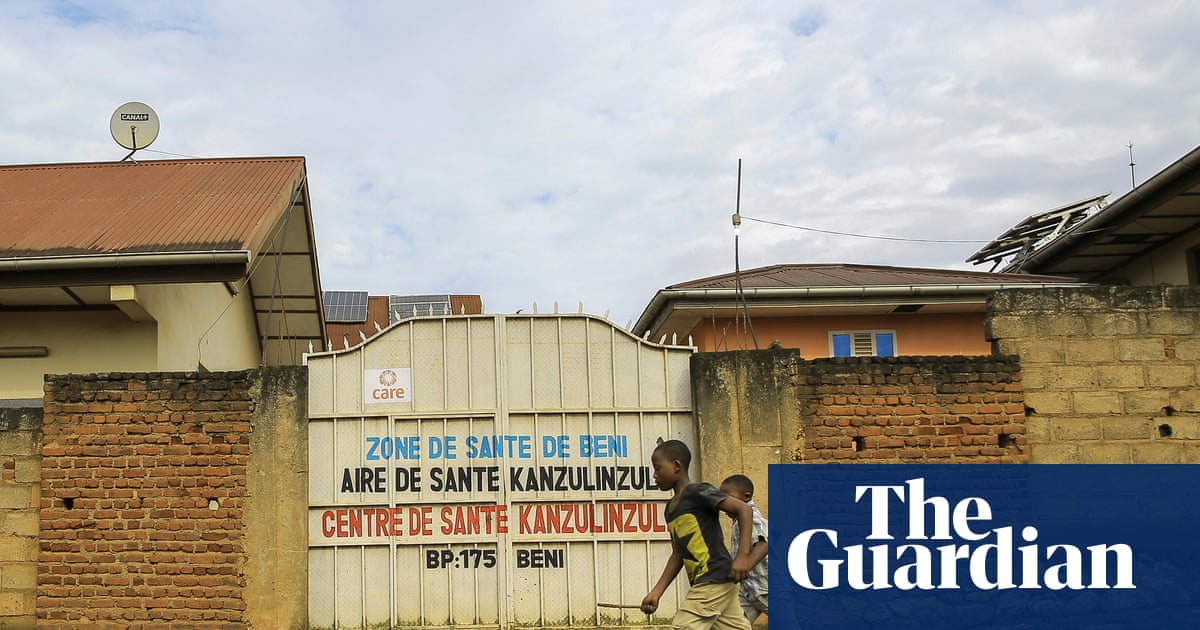
Nigeria’s health authorities have confirmed an Ebola infection in the capital, Abuja, after laboratory testing identified the virus in a patient who had recently travelled from Uganda, the government said.
The patient is a woman who was admitted to a hospital in Abuja and subsequently tested positive for Ebola, authorities reported. The confirmation follows diagnostic tests performed on samples taken after she sought care.
According to the Guardian, the woman first developed symptoms on 7 October and was hospitalised four days later; the report also says it is not clear when she arrived in Nigeria. The government statement cited by Reuters and local outlets did not provide a precise arrival date.
Regional context
Health authorities and international observers say the case in Abuja comes as the current Ebola outbreak spreads beyond its initial hotspots. NPR reported that Kenya confirmed its first Ebola case earlier this month and has since recorded nine infections, making Nigeria the latest country in the region to detect the virus.
Nigeria has previous experience responding to Ebola and other infectious-disease threats, but the detection of an imported case in the most populous country in Africa will raise concerns about surveillance at points of entry and the capacity to contain further transmission.
What officials have said and what remains unclear
Officials confirmed the diagnosis after laboratory tests, but public statements so far have given limited details about the patient’s travel history, contacts or the exact timing of her arrival in Nigeria. The Guardian specifically reported the symptom onset and hospital admission dates; that timeline has not been repeated in other accounts and remains unconfirmed by the government in the reports available.
Health authorities typically follow up confirmed Ebola cases with contact tracing, testing and isolation measures to limit spread. At the time of reporting, outlets cited above did not provide further details on Nigeria’s immediate public-health response, the status of the patient or whether any close contacts had tested positive.
Why this matters
Ebola is a highly infectious viral disease that has caused periodic outbreaks in parts of Africa. Cases imported across borders can strain surveillance systems and require rapid public-health action to prevent larger outbreaks. The appearance of a confirmed case in Abuja — a major transport and population hub — underscores the challenges of containing infectious diseases in a highly connected region.
Authorities in Nigeria and neighbouring countries will be watched closely for updates on contact tracing, case numbers and control measures as more information becomes available.
Sources
This story was written from reports by these outlets. Read the originals:


