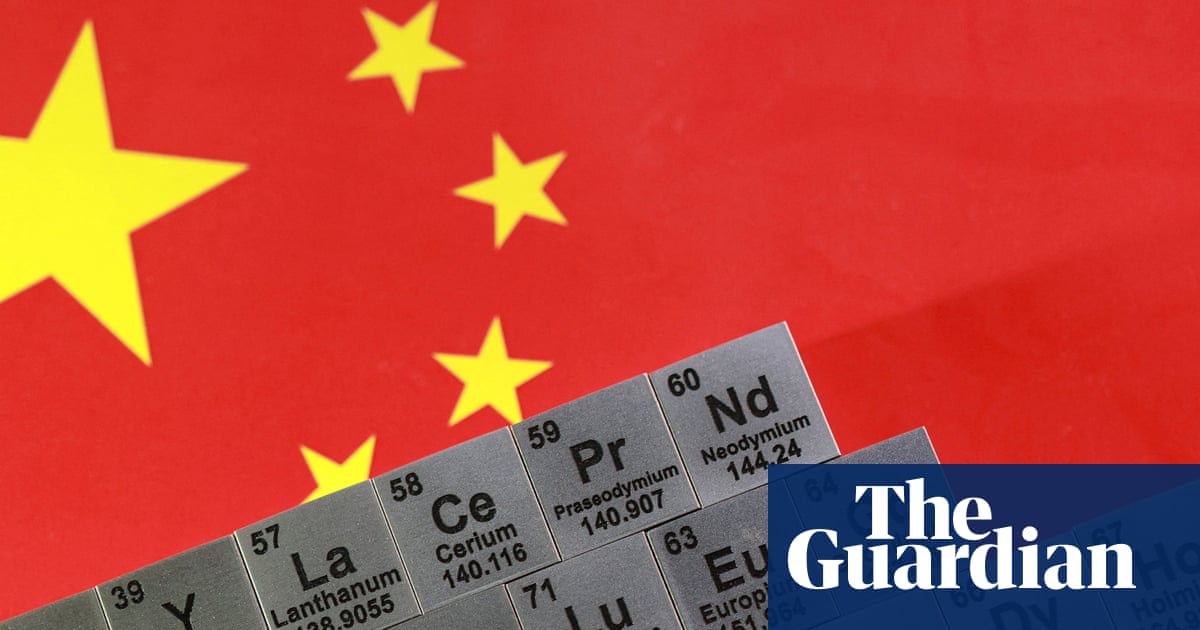
MPs on the House of Commons business select committee have concluded that the UK is heavily reliant on China for a range of minerals considered essential to defence systems, artificial intelligence technology and clean-energy infrastructure. The inquiry warned this concentration of supply poses strategic and economic risks and urged immediate government action.
The committee recommended the creation of a dedicated financing mechanism — described in the report as a “critical minerals finance facility” — to support development of rare earth and other strategic mineral projects. The proposed vehicle would use a mix of grants, equity and debt to speed up efforts to diversify sources and boost domestic and allied supply chains.
Why MPs say action is urgent
Committee members said the current dependency threatens the UK’s ability to deliver national security objectives and to meet commitments on decarbonisation. The report argued that securing access to the minerals used in defence electronics, AI hardware and renewable technologies is central to both military preparedness and the transition to net zero.
To reduce reliance on a single dominant supplier, the inquiry called for a coherent, centralised government strategy that coordinates industrial policy, trade policy and investment support. The MPs recommended clearer leadership within Whitehall to set priorities, allocate resources and work with international partners and private investors.
Proposed financing and policy steps
The finance facility set out in the report would aim to close the funding gap for mine development and related processing capacity by combining public finance tools. The committee suggested it should be able to provide flexible support — including direct grants as well as equity stakes and loans — to projects that can strengthen diversified supply chains.
Alongside financing, the inquiry urged the government to establish a single policy framework for critical minerals that aligns procurement, research and industrial strategy. MPs said a joined-up approach would encourage private investment and reduce fragmentation between departments.
Reaction and implications
The report frames the issue as both an economic vulnerability and a strategic challenge. By highlighting risks to defence supply chains and to the nation’s decarbonisation plans, the committee is pressing ministers to treat critical minerals as a national priority rather than a series of separate sectoral concerns.
If adopted, the committee’s recommendations would mark a shift toward more active state involvement in building mineral supply chains, and could lead to new public funding commitments and regulatory measures designed to accelerate mining, refining and recycling capacity in the UK and with allied partners.
The committee’s findings add to a growing policy debate about how advanced economies should respond when a small number of countries dominate the production and processing of materials that underpin modern technologies.