Money taken via hacked UK social accounts jumps more than 400% in a year
Official UK data shows criminals who hijack email and social media accounts and pose as the owners have stolen more than four times the amount they did a year earlier, often by selling fake event tickets.
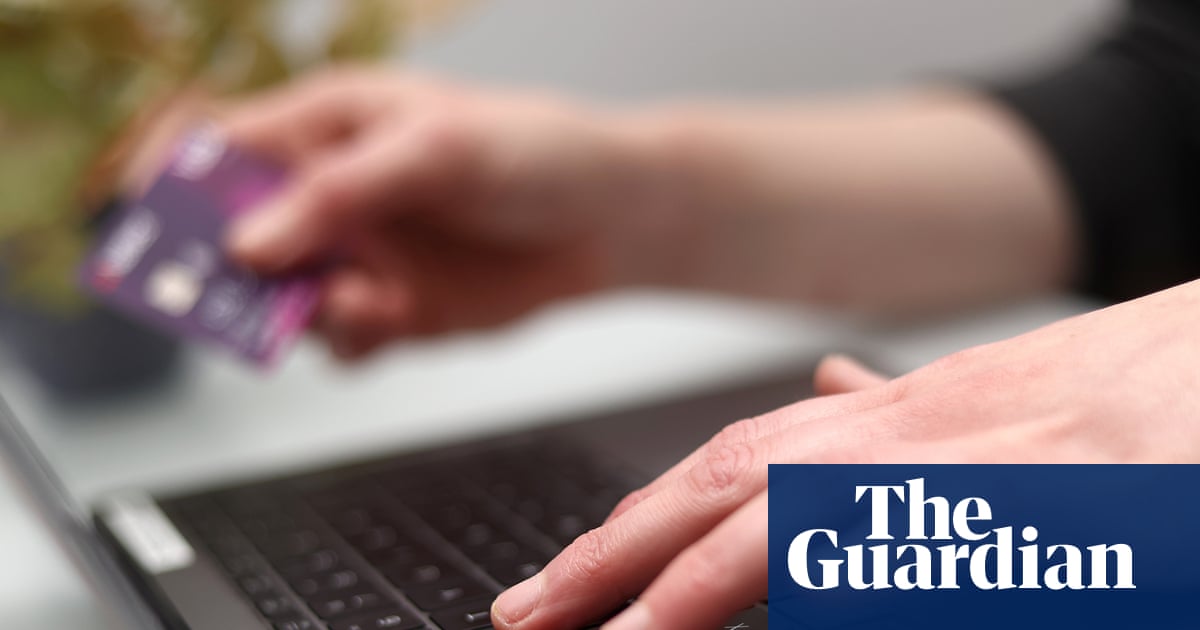
Official UK figures show the total amount stolen by criminals who hack into people's email and social media accounts and then impersonate them has risen by more than 400% in a year.
According to the data, a common tactic is for fraudsters to take over an account and use the victim’s identity to sell fake event tickets — often for sold-out gigs — to the account holder’s friends and family. The reports say many of the cases documented involved this kind of impersonation and ticket fraud.
Why the increase matters
The scale of the rise, reported by UK authorities, suggests both growing activity by criminals using compromised online accounts and potentially greater financial harm to victims who trust messages from familiar contacts. Using someone’s own account to market fake tickets can make scams harder for victims to spot and easier for fraudsters to reach people the victim knows.
The method also highlights the overlap between account takeover — through hacked email or social media — and social-engineering techniques that exploit existing relationships. By operating through a trusted account, scammers can sidestep some of the usual red flags people look for in unsolicited offers.
What is known and what remains unclear
The Guardian reports the rise using official UK data but does not publish a complete breakdown of the types of accounts targeted, the platforms most affected or regional patterns across the UK. The sources cited note the prevalence of fake-ticket schemes among the cases but do not provide fuller demographic or monetary breakdowns beyond the reported percentage increase.
Why this matters for users and platforms
The surge underscores persistent security risks tied to account takeover and the need for stronger protections from both users and platform operators. For users, account security measures such as strong, unique passwords and two-factor authentication can reduce the chance of compromise. For platforms, the incidents point to the challenge of detecting and stopping fraud that leverages legitimate accounts and trusted social connections.
Authorities and consumer groups may use the data to push for increased awareness campaigns or regulatory responses focused on platform responsibility and user protections. The reports do not, however, detail any immediate policy changes or new regulatory measures announced in response to the rise.
What victims should do
While the official data highlights the upward trend, the reports recommend that people remain vigilant about unexpected messages from contacts, particularly if those messages involve urgent requests for money or offers to buy tickets or goods. Victims of account takeover should report the incident to the platform, change passwords and alert friends and family who may have been contacted from their account.
The high percentage increase reported by UK authorities points to a sharp change over a single year, and the prominence of fake-ticket scams shows how account compromise can be turned into targeted fraud exploiting personal networks.
Sources
This story was written from reports by these outlets. Read the originals:
- 1.Guardian UK: Money stolen by scammers hijacking UK social media accounts rises 400%
- 2.Guardian World: Money stolen by scammers hijacking UK social media accounts rises 400%
- 3.Guardian Business: Money stolen by scammers hijacking UK social media accounts rises 400%