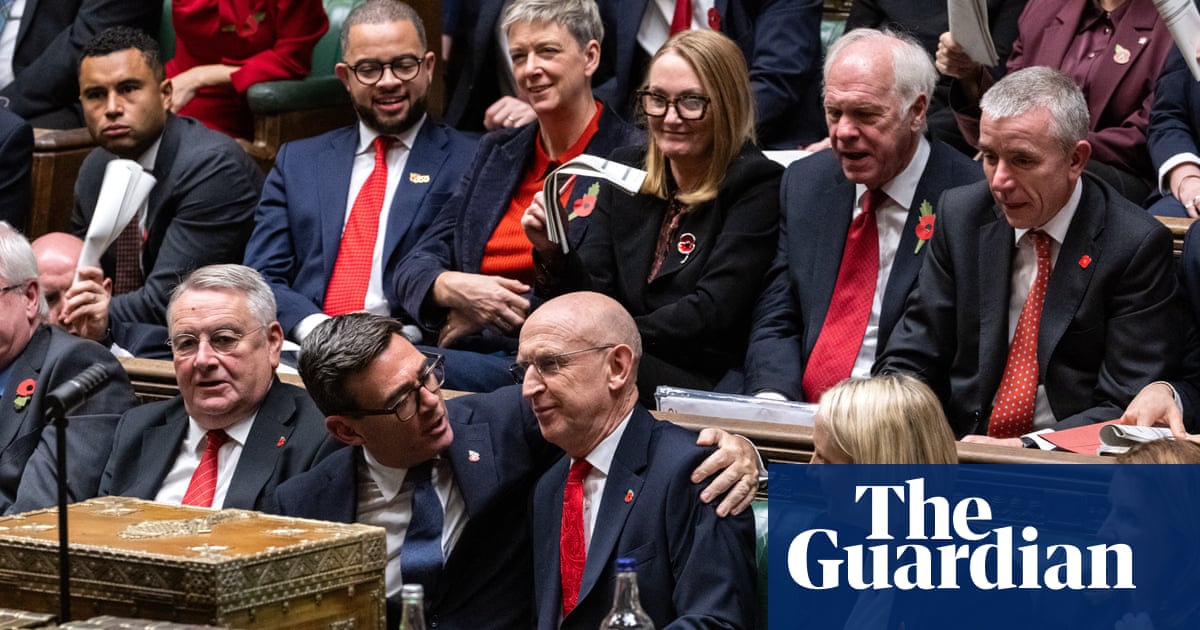
Chancellor John Healey used his first budget to raise taxes on banks and landlords and to announce a one-off £100 winter payment to 20 million households, framing the measures as a response to continuing pressure on living costs.
In a deliberately low-key speech, Healey said the economy is being buffeted by “global economic storms,” and the official forecasts published alongside the budget made clear that the cost of living crisis shows no immediate sign of abating. The government pointed to the war in Iran as a factor pushing up oil and gas prices.
Measures and funding
The budget increases levies on banks and landlords; the revenue from those higher taxes will be used to fund the £100 payment that will reach 20 million households. Officials presented the intervention as a targeted, short-term measure designed to ease pressure on families through the winter months.
The chancellor set the package in the context of an uncertain international backdrop. According to the government, global events are contributing to elevated energy costs and a tougher outlook for household budgets.
Context and implications
Healey’s speech was his first as chancellor and was presented as largely cautious rather than radical. The accompanying official forecasts, referenced by the chancellor in explaining the package, signalled that the high cost of living is likely to persist.
By choosing to raise taxes on financial institutions and property owners rather than broad-based cuts or borrowing, the budget links redistribution measures directly to particular sectors. The government says this approach will provide immediate relief to millions of households without widening the deficit through new borrowing for the winter payment.
While the measures are aimed at short-term relief, the budget’s framing highlighted the government’s view that external factors — notably geopolitical tensions affecting energy markets — continue to shape the domestic economic outlook.
What this means going forward
The budget sets out an initial response to inflationary pressures and higher energy costs, but the official forecasts cited by the chancellor indicate these pressures are not yet easing. The government will face pressure to balance targeted support with longer-term plans for growth and public finances as the economic picture evolves.
Healey presented the package as pragmatic and proportionate; however, the sustained impact of global energy price shifts and the broader cost of living challenge remain central concerns for households and policymakers alike.