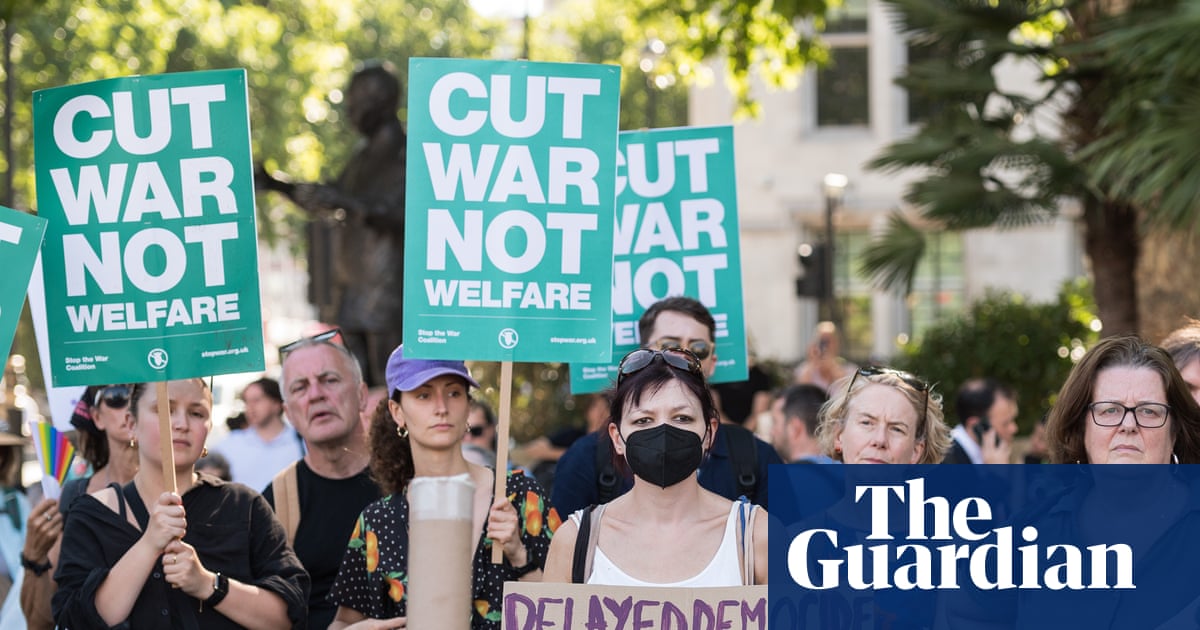
Chancellor John Healey has abandoned plans to reduce the cost of welfare this parliament, delivering a cautious first budget that critics say avoids hard choices while leaving a substantial hole in public finances.
The budget drew swift criticism from economists and thinktanks, who warned that the chancellor had postponed major tax or spending decisions and left himself with a difficult fiscal task. The Institute for Fiscal Studies (IFS) said Healey had “ducked” large decisions and left himself "a mountain to climb." According to reporting, officials and commentators cited a £28bn shortfall in public finances as a central concern.
Why experts say the Budget is problematic
Several independent bodies and commentators assessed the package as steady rather than transformative. They argued that by not addressing either big tax increases or clear long-term spending cuts now, the government may transfer the need for tougher measures to later years. The IFS warned this ambiguity could lead to severe spending reductions in future budgets if the projected financing gap is not closed.
The size of the fiscal gap — reported as £28bn — underpinned much of the scepticism. With that shortfall in view, analysts said the chancellor’s decision to hold off on major reforms left little margin for error should economic conditions worsen or revenues fall short of forecasts.
What Healey delivered and the immediate political context
Reporting described the budget as “steady-as-she-goes,” signalling a deliberate avoidance of dramatic policy shifts. The chancellor’s retreat from cutting welfare costs in this parliament was one of the clearest examples of that approach.
Observers framed the budget as Healey’s first major fiscal test since taking office. By prioritising short-term stability over fundamental changes to taxation or public spending, the government aimed to avoid immediate disruption, but critics said that strategy could store up greater problems.
Potential consequences and next steps
Experts who reviewed the budget suggested the government will face difficult choices if the £28bn discrepancy remains. The common warning was that without decisive action to raise revenues or reduce long-term commitments, deeper spending cuts could become unavoidable.
The IFS’s assessment — that the chancellor had delayed big decisions and created a challenging outlook for future budgets — summed up the principal concern voiced across the commentary: a cautious Budget now could translate into harsher fiscal adjustments later.
Healey and the Treasury will face sustained scrutiny as forecasts are updated and the government sets out more detailed plans. For now, the Budget is being judged less on immediate measures than on whether the administration can close the reported £28bn gap without inflicting severe cuts to public services in coming years.