Harmeet Dhillon resigns as head of DOJ Civil Rights Division after GOP midterms loss
Harmeet Dhillon, who led the Justice Department’s Civil Rights Division for 18 months, resigned Thursday. Her tenure was marked by sweeping policy changes and contentious enforcement focused on universities and culture-war issues.
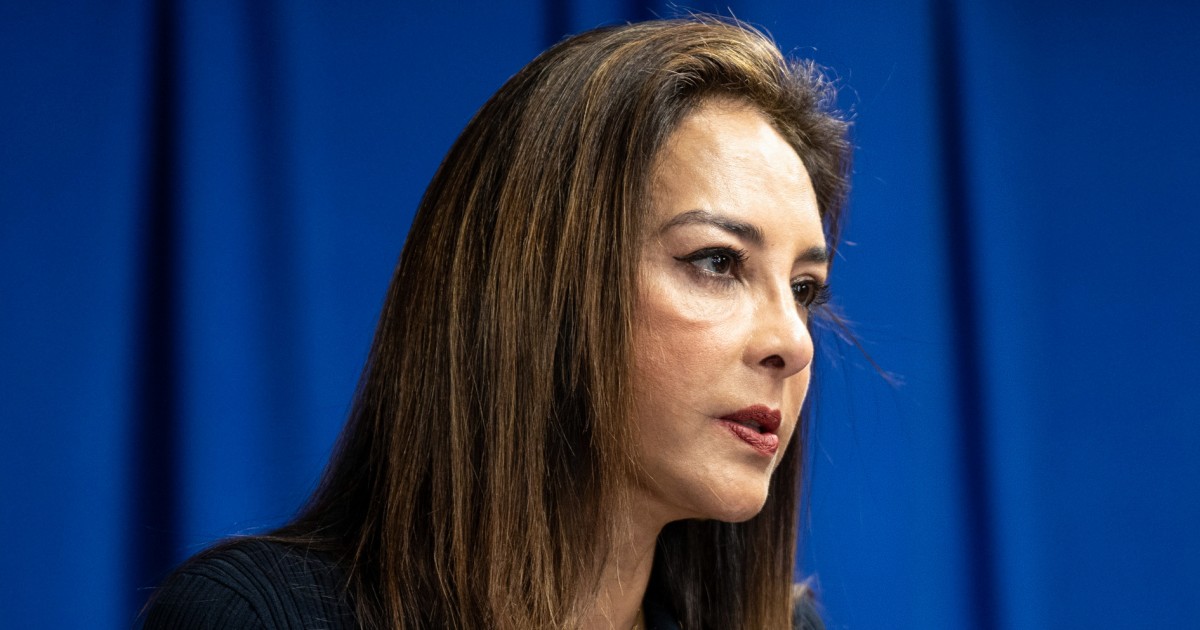
Harmeet Dhillon has resigned as assistant attorney general in charge of the Justice Department’s Civil Rights Division, multiple outlets reported Thursday.
Dhillon led the division for roughly 18 months, a period described by several outlets as tumultuous and controversial. The attorney general, Todd Blanche, posted on X that he had accepted her resignation and praised her service, saying she had defended civil liberties and "enforced the law without fear or favor," and that the department was grateful for her work and wished her well.
A central feature of Dhillon’s time at the Civil Rights Division was a broad reworking of the office’s priorities and enforcement approach. NBC News reported that she oversaw a major overhaul that included efforts targeting universities and a focus on so-called culture-war issues. Critics and supporters alike viewed those moves as a sharp shift from previous practice; several outlets described her tenure as marked by controversy.
Some reports connected Dhillon’s departure to the outcome of the 2026 midterm elections. NBC framed the resignation as occurring after the Republican losses in the midterms, while the Guardian described her as the first high-level Justice Department official to leave following what it called a historic Republican defeat. News organizations characterized the timing and political backdrop differently, but multiple outlets noted the resignation followed the midterms.
Why it matters
The Civil Rights Division plays a central role in enforcing federal civil-rights laws across areas including voting, education, housing and policing. Changes in leadership and direction at the division can shift which complaints the department pursues, how it engages with institutions such as universities, and how it balances competing claims of free speech and discrimination.
Dhillon’s tenure drew attention because of the scale of the policy changes and the division’s increased focus on matters tied to national cultural debates. That repositioning prompted litigation and public comment from both advocacy groups and institutions affected by the division’s actions.
What comes next
The Justice Department has not publicly announced a permanent successor. Todd Blanche’s statement accepting the resignation framed the change as a routine transition and expressed appreciation for Dhillon’s service. News organizations reported her exit but did not provide details about any immediate internal replacement or a timeline for naming a new leader.
Reactions and context
Coverage across outlets emphasized the mixed reception to Dhillon’s leadership. NPR described her 18 months in the role as tumultuous; other outlets labeled her tenure controversial and highlighted the overhaul of the division’s priorities. The Guardian noted Dhillon’s political alignment and tied her departure to the broader political developments of the midterm cycle.
As the department moves to fill the role, observers in legal and civil-rights communities will be watching for whether the division maintains the policy direction set under Dhillon or shifts again under new leadership.
Sources
This story was written from reports by these outlets. Read the originals:
- 1.NBC News: Head of DOJ Civil Rights Division resigns after GOP midterms loss
- 2.Guardian World: Harmeet Dhillon, controversial head of DoJ’s civil rights division, steps down
- 3.NPR National: Head of Justice Department office on Civil Rights resigns
- 4.CBS News US: Harmeet Dhillon, DOJ's controversial civil rights chief, resigns