French health authorities have reported the first documented human infection with Shamonda virus. Multiple news organisations say the infected person died in early October, and French investigators are working to establish whether the virus played a role in the death.
What is known so far
The case marks the first time Shamonda virus has been identified in a human. BBC reporting and other outlets state the patient died in early October. Officials in France have confirmed the detection but details released publicly so far are limited.
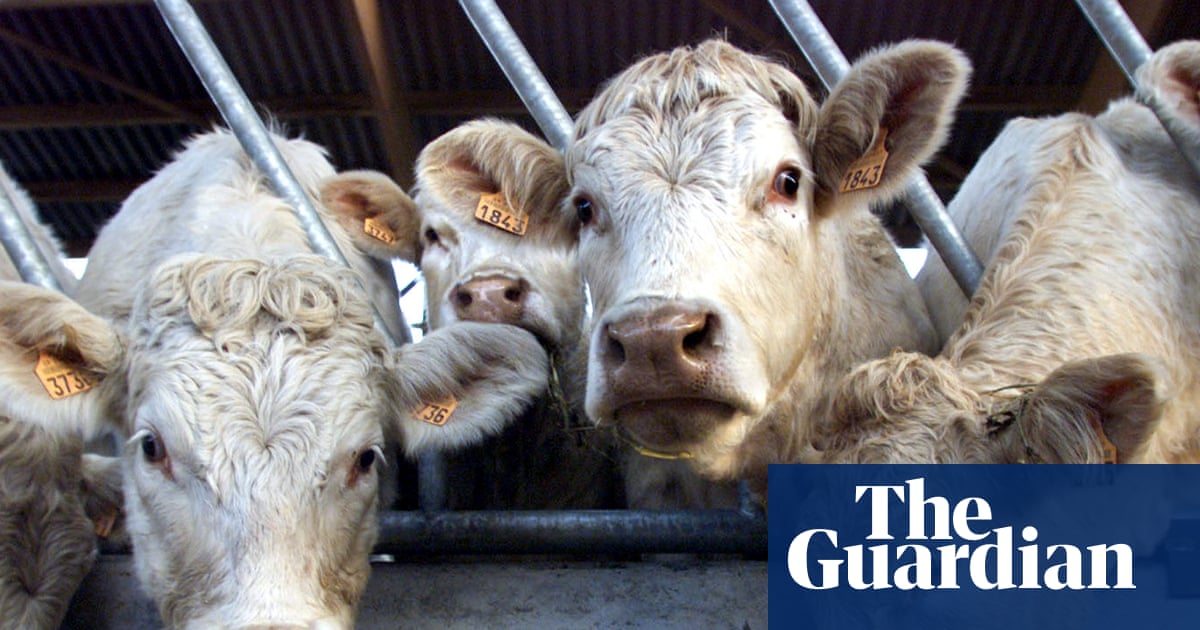
Shamonda virus has previously been detected in animals and is not ordinarily considered a human pathogen. The Guardian describes the virus as a type of bunyavirus that is transmitted by bites from infected midges. That report also cites the Austrian Agency for Health and Food Safety, which says that in livestock such as cattle, sheep and goats the virus can cause diarrhoea, reduced appetite, lower milk yield, and in some cases abortions and congenital abnormalities in newborn animals.
Investigations and public health response
According to reporting, French authorities are investigating the case to determine whether the virus contributed to the patient’s death. Details about the patient’s age, health status, location within France or potential exposures have not been disclosed in the reports reviewed.
News organisations covering the story say this is the first human case recorded, and that public health agencies are assessing the implications. At present, sources do not report any wider human transmission or additional cases. The limited information released means health officials and researchers will need to clarify whether this represents a rare spillover from animals or a sign of broader risk.
Why it matters
Shamonda virus has been known primarily as an animal pathogen. A confirmed human infection raises questions about the virus’s ability to cross species barriers and whether existing surveillance and control measures for livestock and vectors — such as midges — are sufficient to detect and limit zoonotic risk. Understanding whether the virus caused or contributed to the fatality will be important for guiding any changes to public-health advice.
At this stage, reporting is consistent on the key facts: the detection in France represents the first documented human case, the patient died in early October, and the virus is typically associated with livestock. Other particulars remain under investigation and have not been publicly confirmed.
Officials and agencies involved in the case have not released further clinical or epidemiological details in the reports reviewed. Journalists say investigations are ongoing and public-health updates may follow as more information becomes available.