Former Speaker Says Nigeria’s Security Problems Predate Tinubu Administration
Yakubu Dogara told Achievers University graduates that terrorism, insurgency, banditry and kidnapping have long afflicted Nigeria, arguing the challenges were not created by President Tinubu’s government.
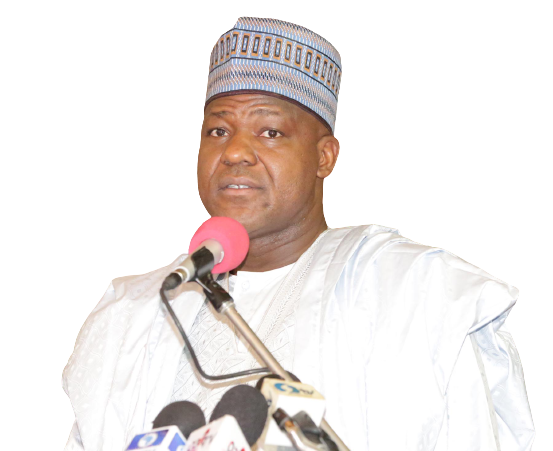
A former Speaker of the House of Representatives, Yakubu Dogara, told students and guests at Achievers University’s 16th convocation that the nation’s security crises existed before the 2023 change of government. Dogara, who serves as the university’s chancellor, listed terrorism, insurgency, banditry and kidnapping as long-running threats affecting Nigeria.
Dogara spoke at the ceremony in Owo, Ondo State. According to reports, he emphasised that the problems now in public view are continuations of earlier violence rather than new phenomena introduced by the administration that took office in 2023.
Why he spoke out
Dogara framed his remarks as a corrective to narratives that assign sole responsibility for the country’s insecurity to President Bola Tinubu’s government. He urged listeners to recognise the historical depth of Nigeria’s security challenges and implied that solutions require understanding their roots, not just assigning blame to the current leadership.
Context and implications
Security has been a persistent concern across Nigeria for many years. The issues Dogara named — extremist violence in the northeast, armed banditry in parts of the northwest, and widespread incidents of kidnapping — have repeatedly appeared in national headlines and prompted military and civilian responses across successive administrations.
By highlighting the continuity of these threats, Dogara’s comments touch on political and policy debates over accountability, strategy and resource allocation. If the public and policymakers accept that the problems predate any single government, it could shift focus toward long-term institutional reforms and cross-administration cooperation. Conversely, political actors may continue to contest responsibility for current conditions.
Reactions and reporting
Local media covered Dogara’s remarks following the convocation. Reports from multiple outlets recorded the chancellor’s core point that the security situation was not a recent development tied to the current presidency. Beyond that shared reporting, sources did not supply further detail on proposed remedies or immediate responses from government officials.
What remains unclear
The accounts of Dogara’s speech do not include specific policy proposals he supports, nor do they quantify changes in security trends over time. They also do not report any immediate reaction from President Tinubu or his administration to the former speaker’s assessment.
Why it matters
How Nigerians and their leaders interpret responsibility for insecurity affects public trust, voting behaviour and the design of security policy. Statements from senior political figures such as Dogara can shape public discourse by placing contemporary problems in a longer historical frame, which may influence demands for accountability, reforms and cross-party collaboration.
As Nigeria continues to confront violent threats in several regions, debates about causes and solutions are likely to remain central to political discussion and policymaking.
Sources
This story was written from reports by these outlets. Read the originals:
- 1.Leadership: Nigeria’s Insecurity Didn’t Start With Tinubu – Dogara
- 2.Daily Trust: Insecurity didn’t start under Tinubu — Dogara
- 3.Vanguard: Insecurity didn’t begin in Tinubu’s administration – Dogara


