Cut‑price dupes of luxury goods surge as shoppers hunt bargains this Christmas
Mainstream retailers and social media have propelled cheaper alternatives to high‑end items into the spotlight this festive season, raising questions about fairness and value.
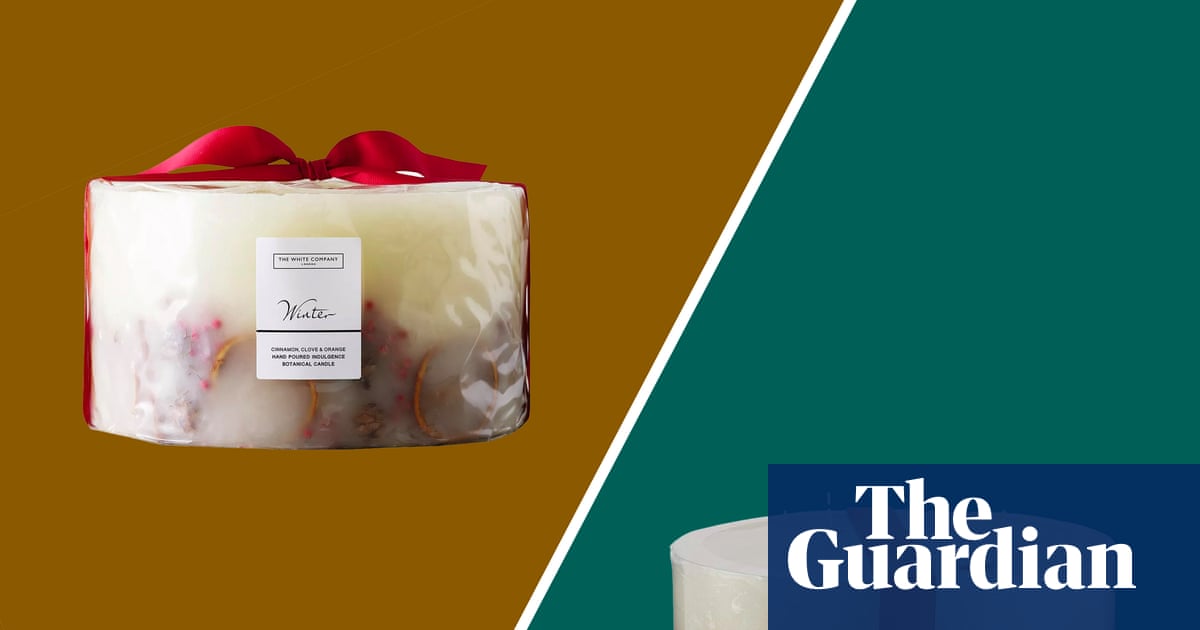
Shoppers hunting festive bargains are increasingly buying lower‑priced “dupes” of luxury goods, with budget retailers and online platforms offering near‑lookalike or similar‑scented products at a fraction of designer prices.
From supermarket chains to direct‑to‑consumer clothing brands, cheaper alternatives have become mainstream. Reported examples include an Aldi candle that shoppers are buying instead of a White Company candle, and lower‑priced cashmere jumpers from brands such as Quince that mirror higher‑end styles.
Prices and platforms driving the trend
The trend is driven in part by big price differences: one widely noted comparison is between the White Company’s “winter indulgence” candle, priced at £95, and an Aldi candle described by shoppers as a comparable “dupe” sold for around £25. Social media platforms such as TikTok are playing a role in amplifying these comparisons, with users recommending cheaper alternatives to more expensive items.
Retailers supplying lower‑priced items range from supermarkets to online direct‑to‑consumer labels. The availability of affordable versions of seasonal or luxury products makes it easier for price‑sensitive shoppers to access similar aesthetics or scents without the designer price tag.
Questions over fairness and market impact
The rise of dupes has prompted debate about whether selling or promoting near‑identical products at lower prices is fair to original designers and brands. Coverage of the phenomenon highlights the ethical and commercial concerns that come with mainstreaming lower‑cost copies of higher‑priced items, though specific legal claims or actions are not detailed in the reports.
Retailers and consumers appear to be navigating the balance between perceived value, brand prestige and affordability. For many shoppers, the practical appeal of saving money on seasonal purchases—especially during the holidays—outweighs brand loyalty.
Why it matters
The spread of cut‑price alternatives could affect how brands position themselves and set prices, particularly for seasonal products that rely on sensory appeal, like scented candles, and apparel that trades on perceived quality, such as cashmere jumpers. For consumers, the trend offers more options and potential savings; for established brands, it raises questions about differentiation and protection of design and scent identities.
As social media continues to surface and promote dupes, the phenomenon is likely to remain a feature of the retail landscape during the Christmas shopping period and beyond. The ongoing conversation touches on consumer choice, intellectual property norms and how value is assigned in fashion and home‑fragrance markets.
Sources
This story was written from reports by these outlets. Read the originals:
- 1.Guardian Business: Who’s duping whom? Cut-price versions of luxury items are Christmas hit
- 2.Guardian UK: Who’s duping whom? Cut-price versions of luxury items are Christmas hit
- 3.Guardian World: Who’s duping whom? Cut-price versions of luxury items are Christmas hit