Chief executives of three UK rolling-stock firms earned £3.5m as companies paid out nearly £400m in dividends
Three rolling-stock companies that lease trains to Britain’s railways paid their chief executives a combined £3.5m last year and distributed almost £400m to shareholders, prompting criticism from rail unions.
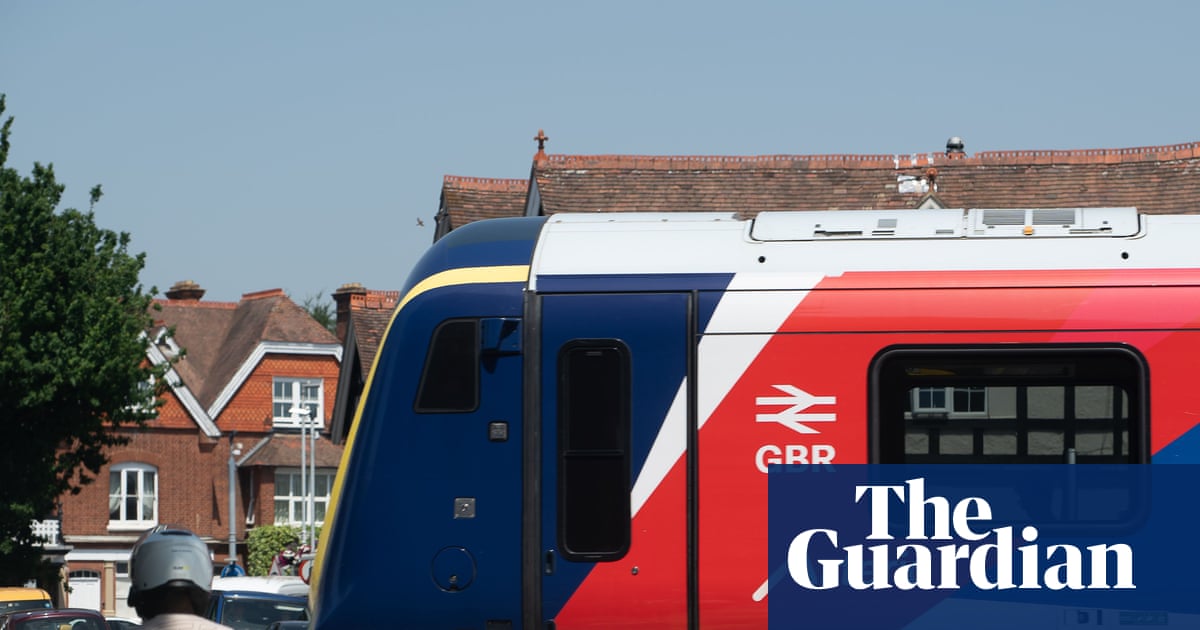
Three companies that lease trains to Britain’s railways paid their chief executives a combined £3.5m last year while distributing nearly £400m to shareholders, according to reporting by the Guardian.
The firms, known as rolling stock companies or Roscos, supply and rent trains to operators across the UK rail network. The payments to executives and shareholders have drawn criticism from rail unions, which said the companies were profiting at passengers’ expense.
Why the figures matter
Unions argue the payouts raise questions about priorities in the rail sector as operators and public bodies manage costs, service levels and investment needs. The sums underline the scale of private-sector returns tied to the provision of train fleets, a part of the rail system that many passengers rarely see but rely on every day.
How Roscos fit into Britain’s rail system
Roscos own and maintain train fleets and lease that rolling stock to train operating companies, which run passenger services on the national network. The Guardian report highlights the link between ownership of physical trains, executive pay and shareholder returns, pointing to tensions between private profit and public service provision.
Responses and context
Rail unions responded by accusing the rolling stock companies of prioritising shareholder dividends and management pay while passengers face service issues and cost pressures. The Guardian coverage did not include detailed responses from the companies named, nor did it provide figures for other forms of compensation or the operational costs borne by the Roscos.
Broader debate over rail finances
The disclosures contribute to a wider debate about how different parts of the UK rail industry are funded and regulated. The relationship between private firms that supply infrastructure or rolling stock and the publicly visible parts of the rail system—operators, regulators and government departments—has long been a focal point for critics who say profit motives can conflict with service delivery and affordability.
What is clear from the reporting is that last year saw substantial distributions from the Roscos to investors while senior executives received multi-million-pound pay packages, and that unions regard those payments as problematic at a time when passengers and service operators face ongoing challenges.
Sources
This story was written from reports by these outlets. Read the originals: