Charity calls UK’s lack of inspections at fish slaughterhouses ‘a disgrace’
Animal Equality UK says England and Wales have no regular checks on facilities where farmed fish are killed, despite up to 77 million fish being slaughtered each year and long-standing concerns about welfare.
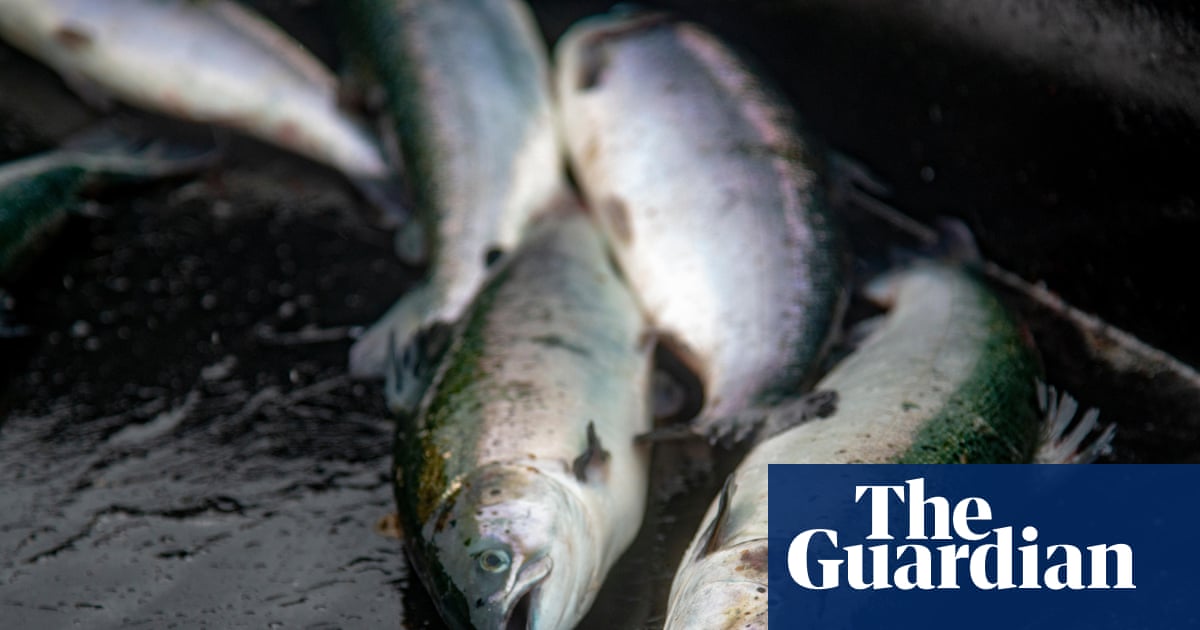
Animal welfare charity Animal Equality UK has criticised the absence of routine checks at facilities that kill farmed fish in England and Wales, calling the situation "a disgrace," according to the group.
The charity says as many as 77 million farmed fish are slaughtered annually across the UK. It warns there are no mandatory, recurring inspections of fish slaughter operations in England and Wales, a gap it says puts animal welfare at risk.
Official bodies with responsibilities for animal welfare and food regulation in England and Wales confirmed they do not carry out regular inspections of these sites, the charity reported. Campaigners said the omission persists despite concerns about the methods used to kill fish being raised for many years.
Why campaigners want faster reform
Animal Equality UK is urging the government to speed up introduction of laws and oversight aimed at ensuring more humane killing of farmed fish. The charity’s appeal follows its view that current oversight falls short of standards applied to other farmed animals.
The debate over how to regulate slaughter of fish has a long history. Activists point to repeated calls for clearer rules and stronger enforcement stretching back decades, and argue that the large number of animals affected makes the issue urgent.
What officials say
According to the reporting, the public bodies involved in animal welfare and food safety work for England and Wales stated they do not perform routine monitoring of fish slaughterhouses. The organisations’ roles in regulating and inspecting farms and food businesses differ, and the charity contends that those differences have left a gap in oversight for fish at the point of slaughter.
The reports do not include a government response detailing any immediate change to inspection regimes, nor do they cite specific plans or timetables for introducing mandatory checks targeted at fish slaughter facilities.
Implications and industry context
Supporters of tighter rules say better regulation could reduce poor practices at slaughter and bring standards for fish killing more in line with those for land animals. The scale of the farmed-fish sector and the annual numbers cited by the charity are central to its argument that policy change should be prioritised.
Opponents of rapid new regulation—if any—are not quoted in the reporting. The articles do not provide responses from fish farming trade groups or detail costs such changes might entail.
What remains unclear
Reporting shows agreement that routine, mandatory inspections do not currently take place in England and Wales, and that concerns about fish slaughter practices are longstanding. Beyond those points, sources differ on solutions and there is no published timeline for law reform in the articles reviewed.
Campaigners say the gap in oversight should be addressed quickly; government officials and industry representatives were not reported as offering a timetable for changes or an immediate plan to extend regular checks to fish slaughterhouses.
Sources
This story was written from reports by these outlets. Read the originals: