Chancellor unveils energy package with £100 payment, low‑carbon loans and end to standing charges
In his first budget, Chancellor John Healey announced a package aimed at lowering household energy bills, including a one‑off £100 payment, loans for low‑carbon upgrades and plans to scrap standing charges.
Chancellor John Healey used his maiden budget to announce a package of measures intended to ease the pressure of high energy costs on households. The plan includes a one‑off £100 payment to households, the introduction of loans for low‑carbon home upgrades, and a commitment to end standing charges on energy bills.
Healey framed the measures as a response to international pressures on the economy, saying households had been “buffeted by global economic storms.” He argued the package marks “a new course” designed to bring Britain’s energy costs closer to those in Europe.
What the package contains
- A single £100 payment to households. The government presented this as an immediate, direct support measure.
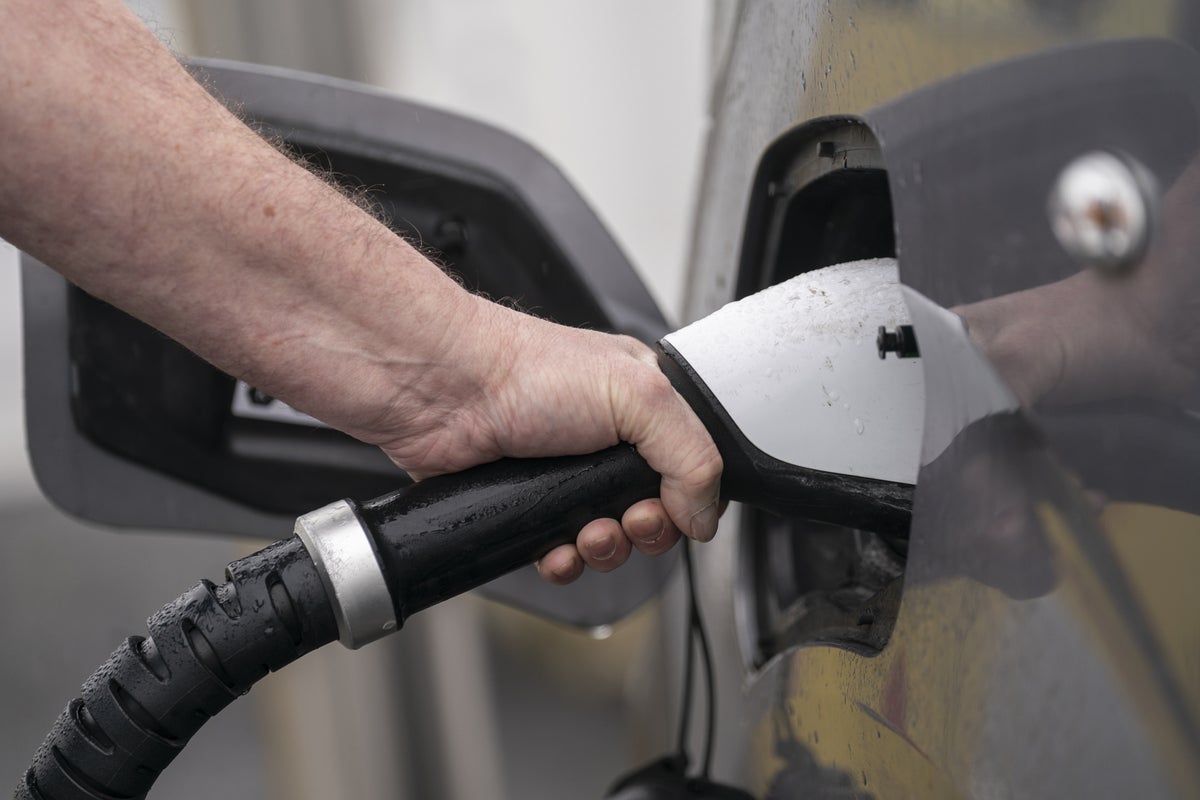
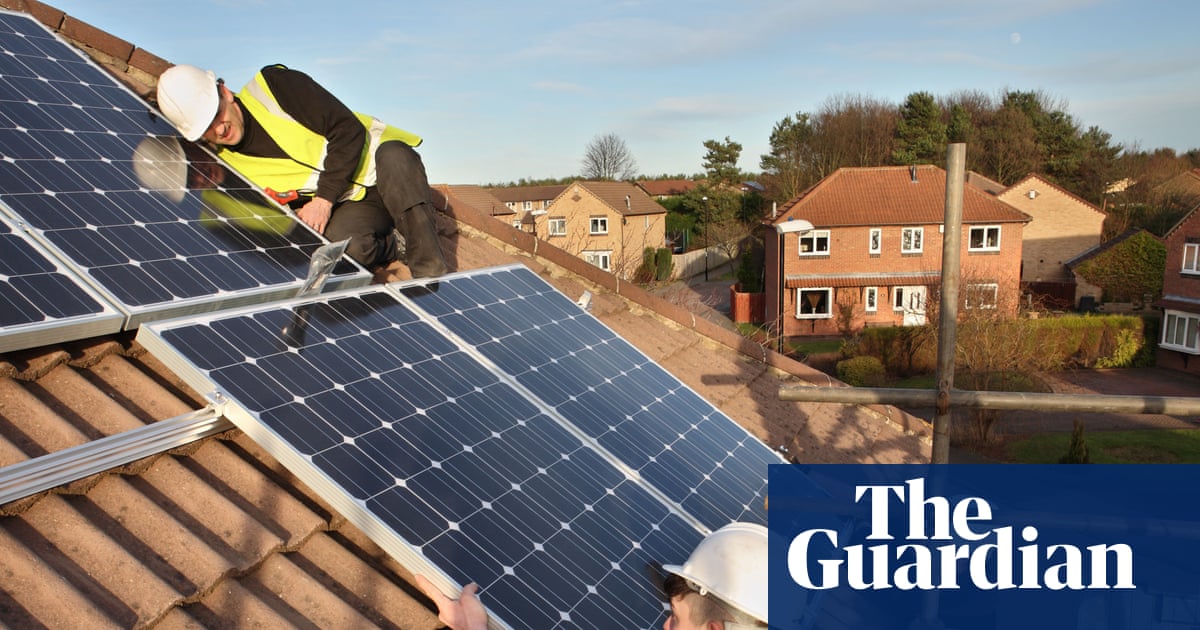
- New loan products to help households pay for low‑carbon upgrades to their homes, aimed at supporting energy efficiency and decarbonisation measures.
- Plans to remove standing charges from energy bills, a move the chancellor linked to his longer‑term goal of lowering the overall cost of energy for consumers.
Longer‑term aims and funding changes
Healey signalled that some of the more structural changes will involve how Britain covers the costs of renewables and upgrades to the electricity grid. He said he hoped those changes would “drive down all aspects of energy bills” over time, indicating a shift in the government’s approach to financing green infrastructure and its distributional effects.
Why it matters
Households across Britain have faced elevated energy costs in recent years, and the chancellor presented the package as both immediate relief and the start of a longer transition toward lower bills and lower carbon emissions. Ending standing charges and promoting low‑carbon upgrades are designed to reduce ongoing costs for consumers and to accelerate home efficiency improvements that could cut demand.
The one‑off payment is intended to provide quick support, while the loans for upgrades are aimed at targeting reductions in energy use over a longer horizon. Changes to how the government allocates the costs of renewables and grid work may affect energy prices for consumers and the operation of the energy sector, but Healey characterised those changes as necessary to bring Britain into closer alignment with European peers.
What remains unclear
The chancellor’s announcement outlines objectives and headline measures but does not, in the material published alongside the budget, provide full detail on implementation timelines, eligibility criteria for the £100 payment or the precise structure and terms of the low‑carbon upgrade loans. Similarly, the mechanics of ending standing charges and the reform of how renewables and grid costs are covered will require further legislative and regulatory work.
Next steps
The government will need to publish more detailed plans and legislative proposals to enact the changes Healey announced. Energy suppliers, regulators and consumer groups will be watching for the specific rules and schedules that determine who benefits and how costs are shifted across the system.
Sources
This story was written from reports by these outlets. Read the originals:
- 1.Guardian UK: How will John Healey’s energy support package affect you?
- 2.Guardian World: How will John Healey’s energy support package affect you?
- 3.Guardian Business: How will John Healey’s energy support package affect you?