Cancer diagnoses in England exceed 1,000 a day as NHS misses targets, charities warn
NHS figures show more than 1,000 people a day are now diagnosed with cancer in England, but experts and charities say the service is still not meeting diagnostic and treatment time targets.
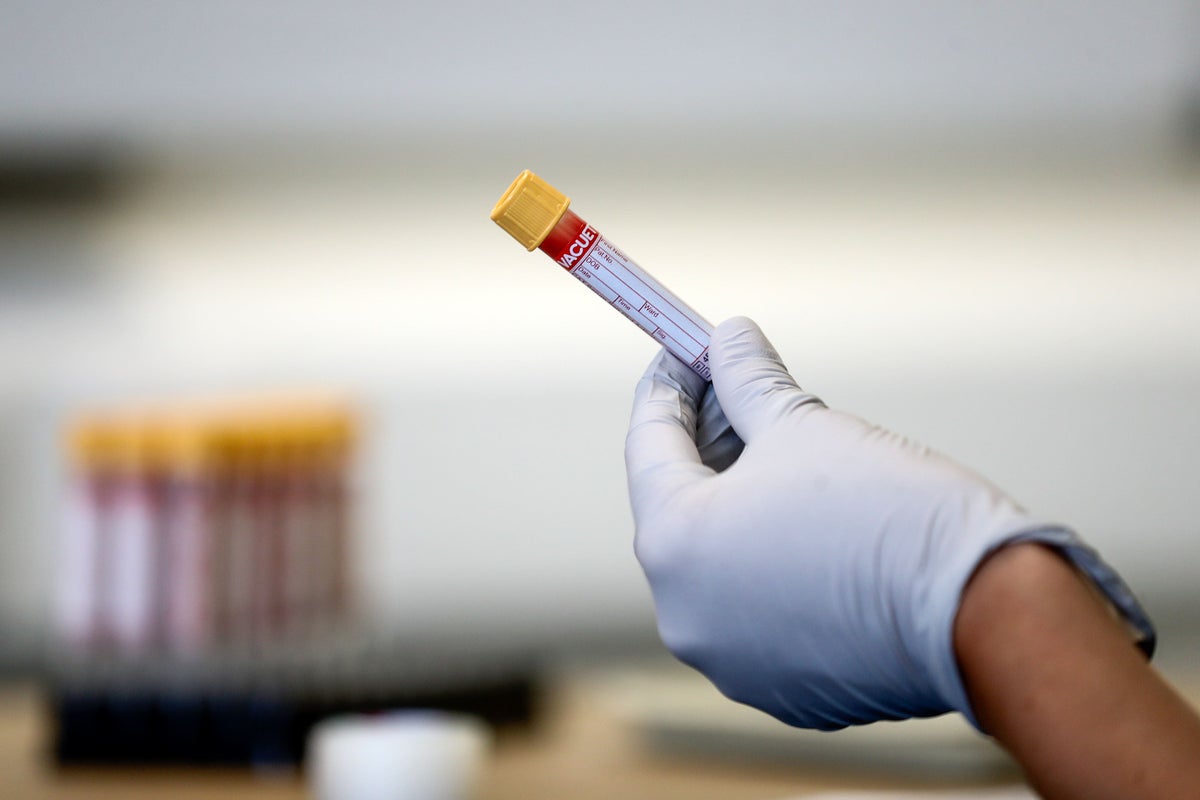
NHS data show that cancer diagnoses in England have reached a record high, with more than 1,000 people diagnosed each day, according to recent figures. Health charities and experts say that while more cases are being detected, the NHS is failing to meet established timescale targets for diagnosis and treatment.
Rising diagnoses, persistent delays
The published NHS figures indicate a sustained increase in the number of people receiving a cancer diagnosis in England, surpassing 1,000 new diagnoses per day. That rise marks a record high in the volume of diagnoses recorded.
Charities and medical experts responding to the figures cautioned that increased detection has not translated into timely care for many patients. According to those organisations, the health service continues to miss targets designed to ensure people are seen, diagnosed and begin treatment within set timeframes.
What the warnings mean for patients
Campaign groups and clinical commentators emphasised that meeting diagnostic and treatment targets is important for outcomes and patient experience. They said failures to meet those targets risk delays in starting treatment and can increase anxiety and uncertainty for patients and families. The charities and experts raised concern even as the number of identified cases rose.
Implications for the health service
Those commenting on the statistics framed the trend as a mixed picture: the NHS is finding more cancers, but must improve the speed at which patients move from referral through diagnosis to treatment. The warnings from charities and experts suggest pressure on services and capacity shortfalls are likely contributors to the missed targets, although the published reports do not attribute the causes to specific operational failures.
Officials have released the figures showing the record number of diagnoses, and external groups have highlighted the continued shortfalls against performance standards. The gap between rising diagnoses and unmet timescale targets is being presented by charities and experts as a priority issue for health policy and NHS operations in England.
Further detail on the causes of missed targets and the NHS’s plans to address them have not been included in the shared reports. Health sector observers say understanding whether the increased diagnoses reflect higher incidence, better detection, or a combination of factors will be important for planning services and reducing delays in care.
Sources
This story was written from reports by these outlets. Read the originals: