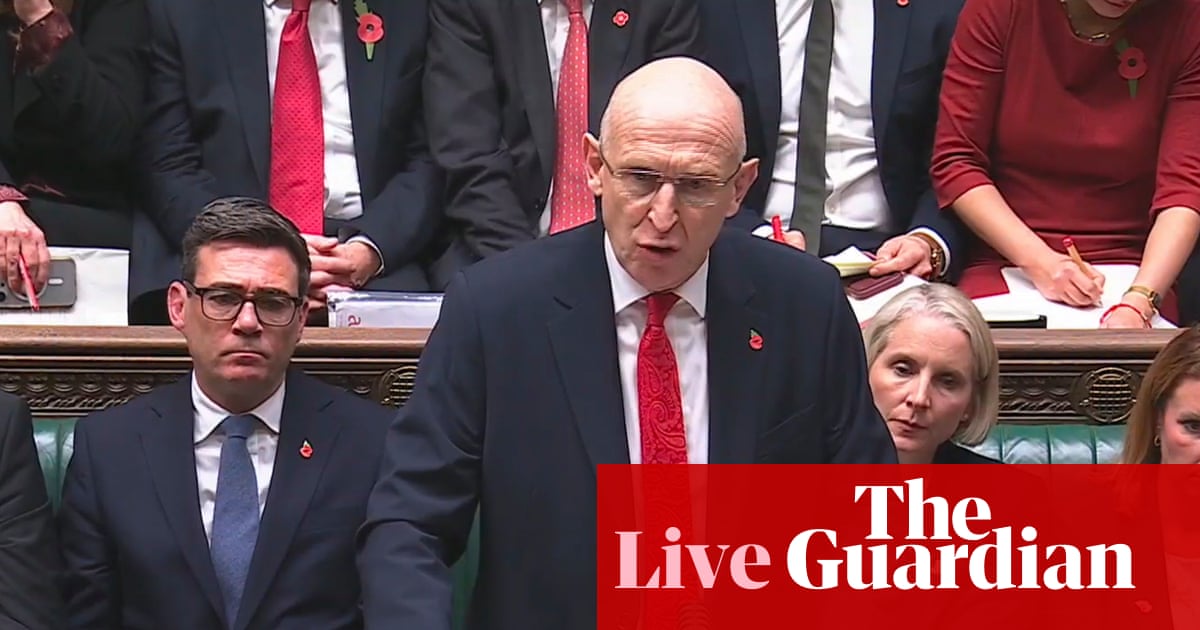
The chancellor announced a package of measures in the 2026 Budget that includes a one-off £100 energy payment for millions of households and an increase in the tax on banks, while the Office for Budget Responsibility (OBR) warned that living standards are forecast to rise by only 1% across the whole post‑Covid decade.
The OBR’s projection — highlighted in the Budget briefing — was framed as a stark warning about a long period of weak household income growth after the pandemic. The watchdog’s assessment underpins the government’s justification for targeted support to households and changes to tax settings.
Energy support and standing charges
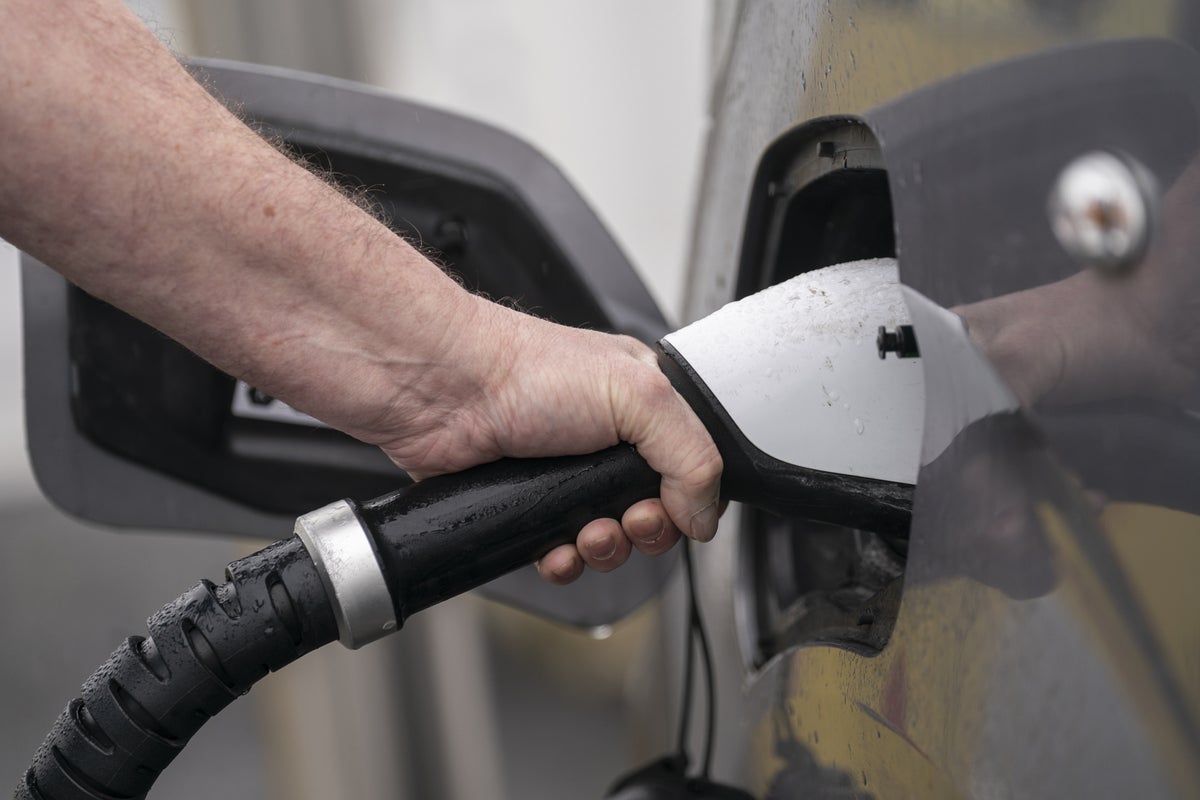
One of the headline measures is a £100 energy payment intended to help millions with household bills. The Budget report did not specify further eligibility details in the summaries cited.
Separately, consumer campaigner Martin Lewis said that, during a meeting with the chancellor, John Healey confirmed the government has removed standing charges from gas bills and would like to remove standing charges from electricity bills as well. According to Lewis, Healey said he will speak to Ofgem about how to remove the charge on electricity, but that the issue is "trickier" and is likely to take longer.
The removal of standing charges from gas bills is presented in the Budget discussion as part of wider efforts to reduce the immediate cost burden on households; the plan to tackle electricity standing charges remains at the consultation and implementation stage, according to Lewis’s account of his meeting with the chancellor.
Bank tax rise and fiscal context
The Budget also includes an increase in the tax levied on banks. The rise in bank taxation was one of several fiscal moves described in the live Budget coverage, intended to raise revenue as the chancellor navigates competing pressures on public finances and the need to support household incomes.
Taken together, the measures are positioned against the OBR’s warning that, despite policy interventions, broader living‑standards growth will be modest over the coming years. That projection informs officials’ stated priorities but also signals persistent economic pressures for households.
Why this matters
A one‑off payment to help with energy costs offers immediate relief to many households, but the OBR’s forecast suggests that short‑term support may not offset a prolonged period of weak income growth. The government’s aim to remove electricity standing charges — if technically and regulatorily feasible after talks with Ofgem — would reduce ongoing costs for consumers, but the timing and mechanics remain unresolved.
Raising the bank tax shifts more of the fiscal adjustment onto the financial sector, a choice that reflects political and economic trade‑offs in the Budget. With the watchdog forecasting only a 1% rise in living standards over the decade, policymakers face pressure to balance support for households with measures to stabilise public finances.