BT accused of pausing broadband to pressure customers into digital landline switch
BT has been accused of 'bullying' customers after temporarily cutting broadband service while urging users to move from copper landlines to voice-over-internet protocols ahead of a January deadline, the Guardian reports.
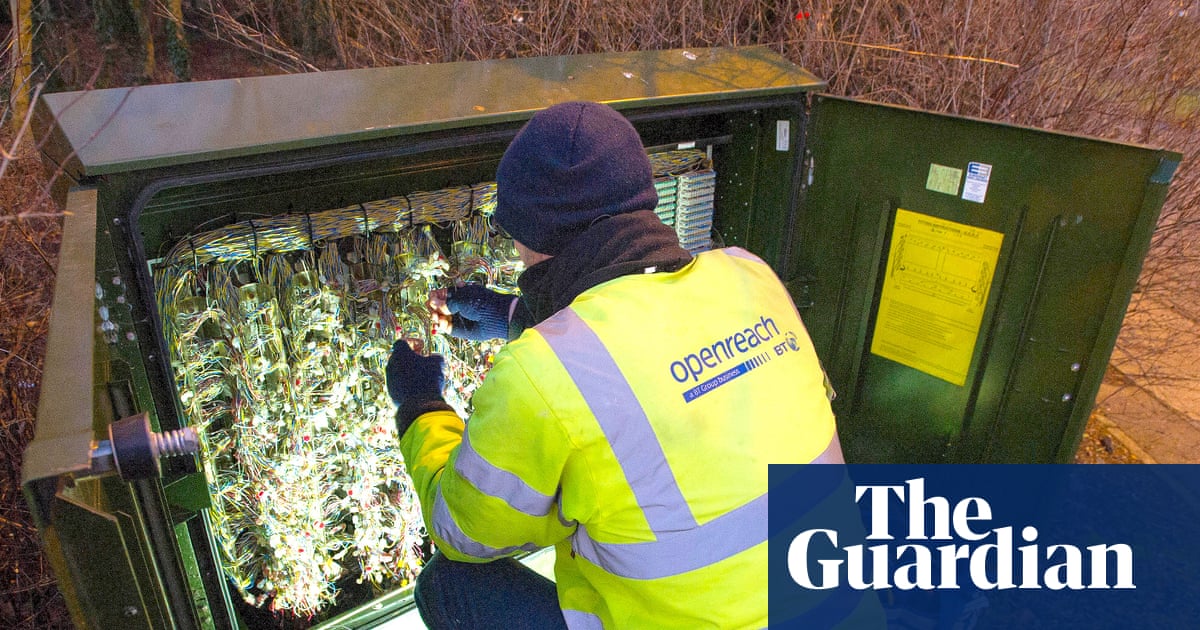
BT has been accused of "bullying" customers after temporarily pausing broadband services as part of efforts to move households from traditional copper phone lines to digital voice-over-internet-protocol (VoIP) services, the Guardian reported.
According to the Guardian, the pauses in broadband have been presented by some customers as pressure to accept an upgrade to a digital landline. The reported use of temporary disconnections comes amid a sector-wide push by telecoms firms to complete a mass migration of phone services before a deadline at the end of January.
Why the change is happening
Telecom providers are replacing the old copper network with VoIP, which carries voice calls over a broadband connection rather than analogue lines. The Guardian reported that telecoms companies have already migrated about 16–17 million lines away from the copper network in what has been described as the largest technological upgrade since the early 2000s switch-off of analogue television.
The move is being driven by the age and limitations of the copper network and by the industry's transition to all-digital services. Providers say the shift will modernise the network and enable new services, while customers will need a functioning broadband connection for their voice service once switched to VoIP.
Consumer concerns and company practices
The Guardian account frames the temporary broadband suspensions as a tactic that some customers view as coercive. The report characterises the incidents as part of a broader campaign by providers racing to meet the January cutoff for the copper network.
The articles do not provide technical details about how often pauses have occurred, how many customers were affected, or BT’s direct response to the specific accusations. They also do not supply evidence about whether any pauses were intended as pressure tactics rather than tied to technical, administrative or upgrade-related work.
What it means for customers
For households that rely on landline phones for emergency calls, alarms or medical monitoring, the switch to VoIP could require equipment changes and a reliable broadband connection. The Guardian emphasises the scale of the migration — 16–17 million lines moved so far — underscoring the rapid pace of change and the potential for service disruption if transitions are not carefully managed.
The January deadline gives customers and providers a limited timeframe to complete the migration. The report suggests that the speed of the rollout and reported practices such as temporary broadband pauses have prompted criticism from some users and consumer advocates who say customers are being pressured to accept the new services.
Next steps
As the industry moves toward a fully digital voice network, the Guardian coverage highlights tensions between providers’ push to meet the migration timetable and customers’ concerns about service continuity and the methods used to secure upgrades. The articles call attention to the need for clear communication and protections for customers during the transition, though they do not detail any regulatory responses or formal complaints filed against BT.
Sources
This story was written from reports by these outlets. Read the originals:
