Britons urged to keep three days’ supplies as some begin stockpiling
The UK government has launched a campaign asking households to set aside three days’ worth of essentials. Many people are already storing tinned food, water, medicines and power banks amid security and climate warnings.
The UK government has launched a public campaign advising households to keep three days’ worth of supplies for emergencies, and some residents have already begun stockpiling basic items, according to multiple reports.
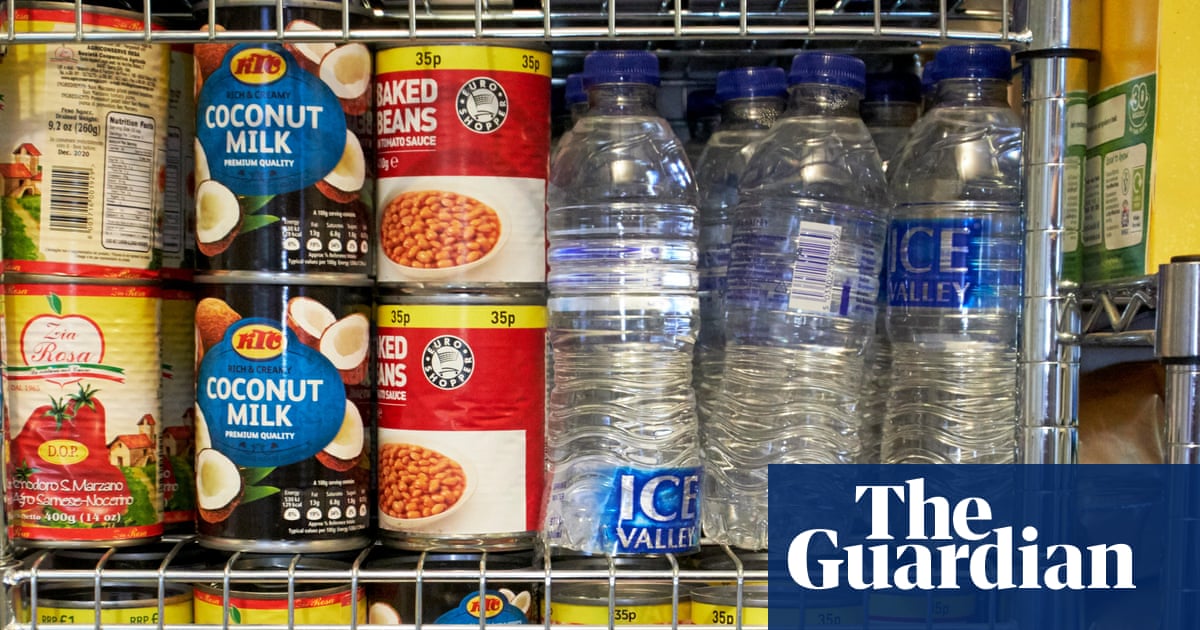
People preparing for potential disruptions are buying and storing dried foods, tinned goods, bottled water, essential medicines, toilet roll and portable power banks. The push to build short-term household reserves follows official warnings about Russian “state‑sponsored terrorism” and continuing threats from the climate crisis.
What the campaign recommends
The government’s message is simple: set aside three days’ worth of essentials to cope with a range of possible incidents. Officials framed the guidance as a preparedness measure that could help households deal with short-term interruptions to services or supplies.
Items being highlighted as useful for such short-term kits include non-perishable food, water, necessary medicines and devices to maintain mobile phone power, such as power banks. Reports say some households have already acted on the advice, accumulating these items in cupboards or storage areas.
Why people are responding
The official guidance comes amid heightened concern about two cited risks. Reports link the campaign to warnings about Russian “state‑sponsored terrorism” and to the escalating impacts of the climate crisis, both described by officials as reasons for increased readiness.
Observers and members of the public featured in the coverage describe their prepared supplies in practical terms—storing items they expect would be immediately useful in the event of short disruptions. The list of commonly stocked goods reflects everyday household priorities: food that keeps, clean drinking water, prescription or over‑the‑counter medicines, toilet paper and portable charging options for phones and other small electronics.
What this could mean for households and services
Because the guidance focuses on a three‑day window, it is presented as a relatively modest measure rather than long‑term stockpiling. Reports indicate that while some people have already built such short‑term kits, the government is encouraging wider adoption of the precaution across the population.
The campaign and public response come at a time when households in the UK are familiar with messaging about resilience and emergency planning. Officials framing the recommendation in the context of recent security and environmental concerns signals a continued emphasis on individual preparedness alongside broader national resilience efforts.
The guidance does not call for extended hoarding or large, long‑term stores; instead, it encourages simple steps to ensure basic needs can be met for a short period if normal services are interrupted. According to the coverage, the most commonly accumulated items mirror this approach: easy‑to‑store food, water, basic medicines and power sources for communication devices.
Sources
This story was written from reports by these outlets. Read the originals: