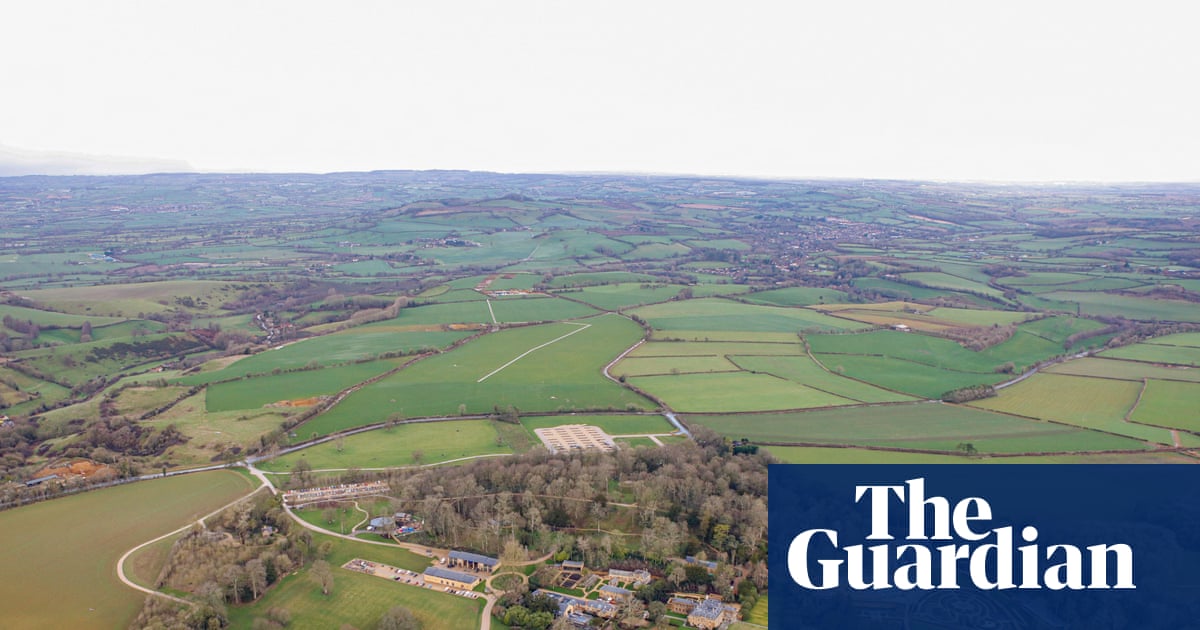
The Guardian reports that South African billionaire Koos Bekker has turned a once run-down country estate in Somerset into an expansive private development known as the Newt. What began as the purchase of an historic estate has grown into a collection of luxury hotels, pubs and high-street businesses set among carefully tended gardens.
Visitors to the grounds encounter manicured lawns and distinctive espaliered apple trees, planted and trained into intricate shapes that contribute to the site’s cultivated appearance. The estate’s mix of hospitality venues and retail outlets has given the area a noticeable commercial profile that some residents initially welcomed as a sign of local renewal.
Development and local reaction
According to the Guardian, the Newt now encompasses multiple hospitality businesses and shops clustered around the restored country property. For some locals, the estate’s transformation signalled economic opportunity and raised hopes that the sleepy corner of Somerset was benefiting from outside investment.
But the project has also prompted concerns among residents. The Guardian reports that local people have raised issues including the risk of flooding linked to changes on the estate. Those worries underline a tension between the estate’s polished public image and continuing questions about the wider environmental and infrastructure impacts of the development.
Why the story matters
The Newt is an example of how a single private investor can reshape a rural locality by introducing upmarket leisure and retail offerings anchored on heritage property. The site’s carefully designed gardens and hospitality provision highlight how such projects aim to attract visitors and generate commercial value from historic landscapes.
At the same time, reported local concerns about flooding point to practical challenges that can accompany such transformations, especially in rural areas where land use changes may affect drainage, watercourses and resilience to extreme weather. The debate in Somerset reflects broader conversations about balancing heritage-led regeneration, local livelihoods and environmental risks when wealthy individuals acquire and repurpose country estates.
The Guardian’s coverage underscores both the visible changes at the Newt and the mixed responses from the community, leaving open questions about how the development will evolve and how agreed safeguards might address residents’ concerns.
For residents and policymakers, the Newt highlights the need to weigh cultural and economic gains from private investment in rural properties against long-term environmental management and the priorities of local communities.