Bank of England raises base rate to 4% and signals further increase
The Bank of England has lifted its base interest rate from 3.75% to 4% — the first rise in over three years — and warned another hike may follow to tackle inflation, according to Guardian reports.
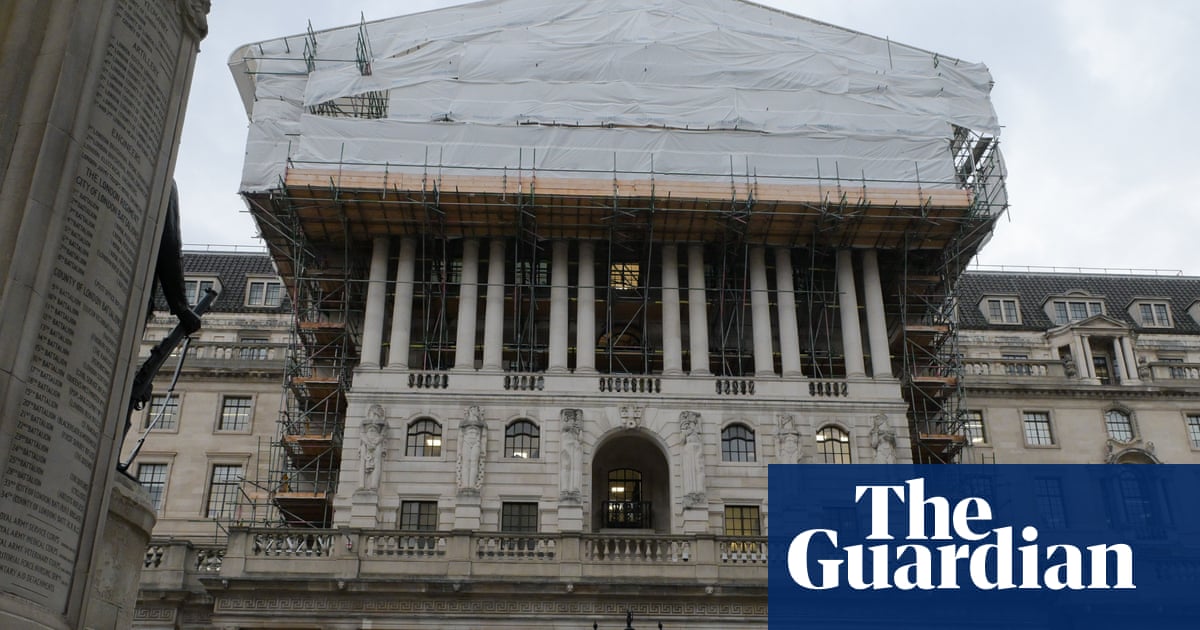
The Bank of England raised its official bank rate from 3.75% to 4% on Thursday, marking the first increase in more than three years, according to reports in the Guardian.
Two Guardian pieces — one in its Business section and one in World — say the decision was reached with eight members of the Bank’s monetary policy committee (MPC) backing the move, while the ninth member, Governor Catherine Mann, preferred a larger half-point rise. Both reports add that the Bank signalled another increase could be necessary in the near future to confront mounting inflationary pressure.
Vote split and rationale
According to the Guardian Business and Guardian World reports, the MPC’s 8–1 vote produced the 0.25 percentage-point increase that moves the base rate to 4%. The coverage says the Bank framed the action as a response to rising inflationary forces it linked to the war in Iran.
Both Guardian reports also note that the governor indicated further tightening of policy may be required soon, though they do not provide a direct quote or a specific timing for any subsequent rise.
Context and immediate implications
The Guardian accounts describe the increase as the first in over three years and stress that policymakers see it as necessary to combat inflation. The reports do not include independent confirmation from other outlets, detailed economic projections, or reactions from market participants or government officials.
Because the information currently comes from these Guardian reports, details such as the exact reasoning, any dissenting commentary beyond the MPC vote split, and projected effects on households and businesses are limited to what those pieces state. The sources attribute the need for further tightening to inflationary pressures linked to the Iran war, and they record Catherine Mann’s preference for a larger rise as the sole dissent on the committee.
Further reporting from the Bank of England or additional outlets may provide more context, official statements, and fuller analysis of how the decision will affect mortgages, borrowing costs and the wider economy. For now, the reported decision marks a notable shift in UK monetary policy after a multi-year pause.
Sources
This story was written from reports by these outlets. Read the originals: