Bank of England governor walks out of IMF meeting in Bangkok during Russian address
Bank of England governor Andrew Bailey was among finance ministers and central bankers who left an IMF session in Bangkok when Russia’s finance minister spoke in Russian, a protest against Russian involvement.
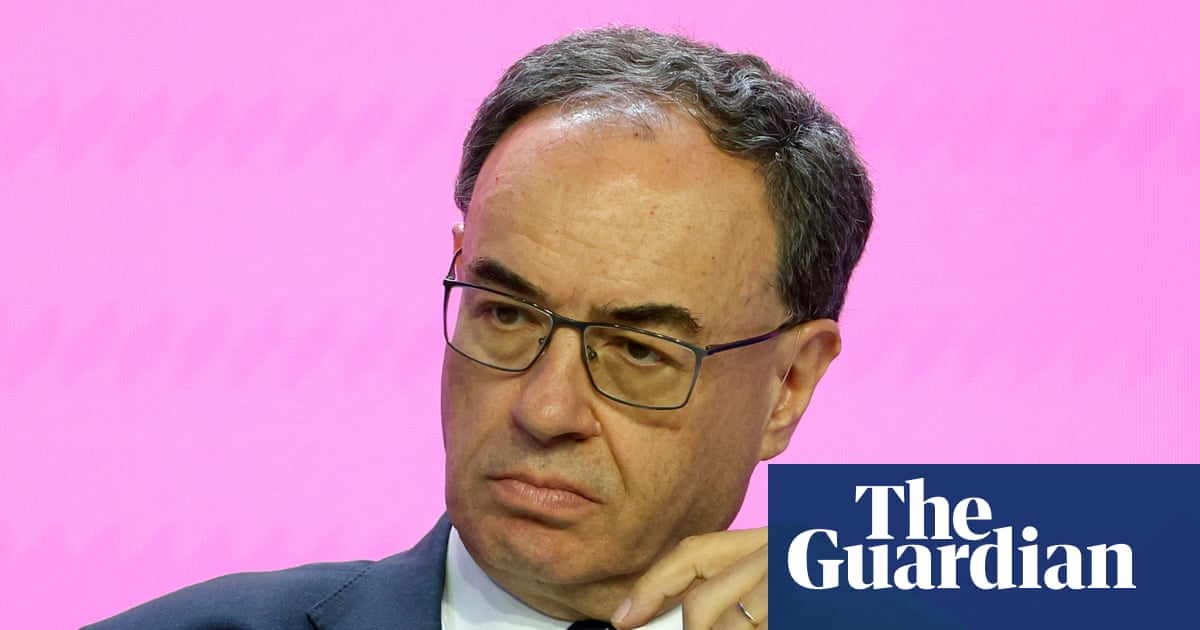
Bank of England governor Andrew Bailey took part in a coordinated walkout of finance leaders at an International Monetary Fund meeting in Bangkok after Russia’s finance minister addressed the session in Russian.
Delegations from several European countries stood and left the room as Anton Siluanov, the Russian finance minister, began speaking. According to reports, officials from France, Germany and a number of Scandinavian and Baltic states joined Bailey in exiting the meeting.
The move was framed by those who left as a protest against Russian involvement in the IMF session. The walkout occurred as Siluanov addressed the group in Russian, prompting the delegations to depart rather than listen to the presentation in that language.
Why the walkout matters
The incident underscores ongoing diplomatic tensions around Russia’s participation in international forums. Walkouts by senior finance officials are rare and signal a strong measure of disapproval without escalating to formal sanctions or expulsions. For the IMF and other multilateral institutions, such public displays of disunity complicate efforts to present unified responses on global economic issues.
The presence of finance ministers and central bank governors from major European economies at the Bangkok meeting indicates the importance of the forum for discussing cross-border economic policy. That several Western European and northern European delegations coordinated their exit highlights the political sensitivities around Russia’s role in global economic governance.
What the reports say
All reports describe Bailey leaving the IMF session in Bangkok and identify Anton Siluanov as the Russian finance minister who addressed the meeting in Russian. They also state that representatives from France, Germany and several Scandinavian and Baltic countries participated in the departure.
The accounts characterise the departures as a protest against Russian involvement in the meeting. Beyond those core details, the reports do not provide direct statements from the participants, nor do they describe any immediate follow-up actions by the IMF or other delegations.
Context and possible implications
While the walkout itself does not change institutional membership or voting rights, such acts can affect diplomatic relations and the tone of multilateral engagement. For the Bank of England, the involvement of its governor among those who walked out signals alignment with other European counterparts on the political message being sent.
The IMF regularly convenes finance officials from around the world to coordinate policy and address global economic risks. Public disruptions at these gatherings draw attention to broader geopolitical strains and can make consensus-building more difficult.
At this stage, reports focus on the moment of departure and the identities of those involved. No further details about subsequent discussions, formal complaints, or next steps by any party were included in the accounts reviewed.
Sources
This story was written from reports by these outlets. Read the originals: