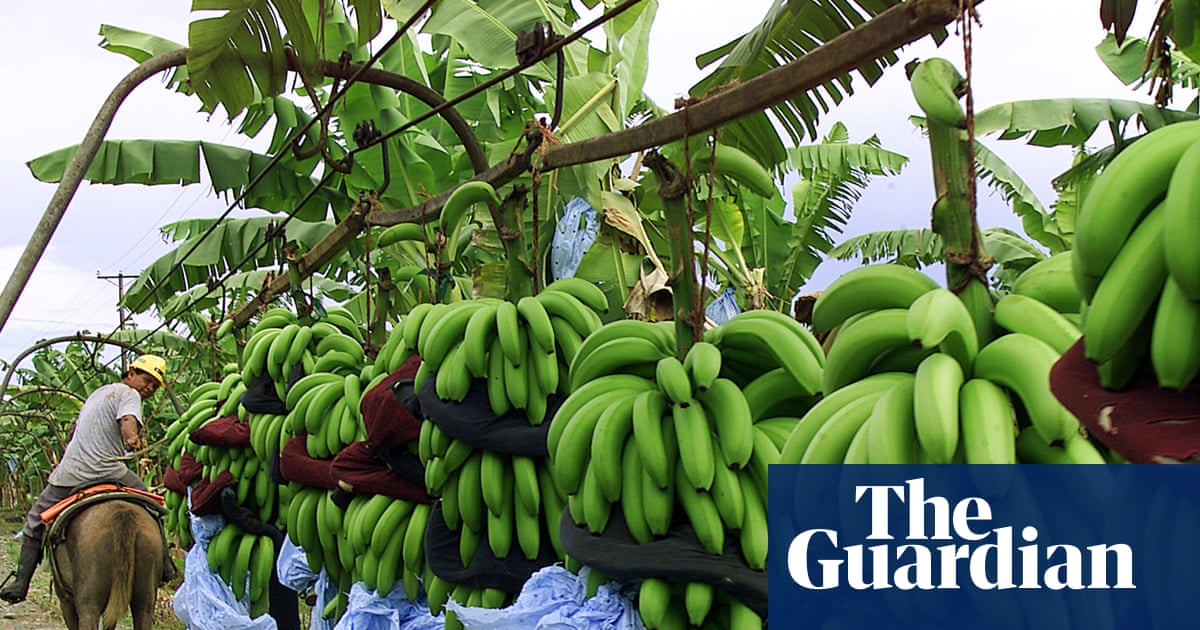
Banana producers across Latin America are calling for better pay to help them manage the impacts of the climate crisis after production fell sharply this year amid extreme weather linked to a super El Niño, the Fairtrade Foundation has reported.
According to the Fairtrade Foundation, a range of weather events attributed to the El Niño pattern has already affected banana output in key producing countries. High winds have damaged crops in parts of Colombia, heavy rainfall has hit areas of Peru and Ecuador, and the Dominican Republic is forecast to experience drier and warmer conditions that could bring drought.
Why producers want higher pay
Producers and growers’ representatives say better pay is needed so smallholders and plantation workers can invest in measures to reduce climate-related losses and maintain livelihoods when harvests fall. The Fairtrade Foundation framed the demand as a response to the “impact of the climate crisis” on banana production during the super El Niño event.
Bananas are a major export crop for several Latin American economies and a staple in many markets. Disruptions to production can affect incomes for growers and supply chains for retailers and exporters, particularly in countries that supply large overseas markets.
Regional impacts described by Fairtrade
The Fairtrade Foundation’s account highlights a range of localized impacts already observable this year. In Colombia, the foundation points to high winds in some producing areas; in Peru and Ecuador, heavy rain has affected production; and in the Dominican Republic, forecasts indicate drier and warmer-than-usual conditions that could produce drought stress for growers.
The foundation’s assessment links these conditions to the ongoing super El Niño event and frames them within the broader context of the climate crisis, which is expected to increase the frequency and severity of extreme weather events in many agricultural regions.
What this means for markets and workers
Producers’ calls for higher pay are aimed at providing resources to adapt to immediate weather-related losses and longer-term climate risks. Higher pay could help cover the costs of adaptation measures such as improved drainage, windbreaks, drought-resistant practices, or changes in planting calendars. It could also offer short-term support to workers and families facing income losses when harvests decline.
The Fairtrade Foundation’s reporting does not specify any agreed wage changes or commitments from buyers, and it presents the producers’ demands as part of ongoing ethical trade conversations. How retailers, exporters and governments respond to those demands will influence whether producers receive additional income or support tied to climate impacts.
Broader context
The super El Niño this year has produced varied extremes across Latin America, with localized storms, heavy precipitation and dryness affecting different countries. The situation underscores tensions in global supply chains over how to share the costs of climate impacts between producers, buyers and consumers.
Further developments will depend on monitoring of yields through the coming months, buyer responses to producer demands, and any targeted support from trade organisations or governments. For now, producers and the Fairtrade Foundation are pushing for improved pay as a tool to help manage the immediate and future costs of a changing climate on banana production.