Canadian leader says military has modelled unlikely US invasion scenario
Prime Minister Mark Carney told reporters that Canada has run military scenarios for the remote possibility of a US invasion, a development outlets describe as a “long shot.”
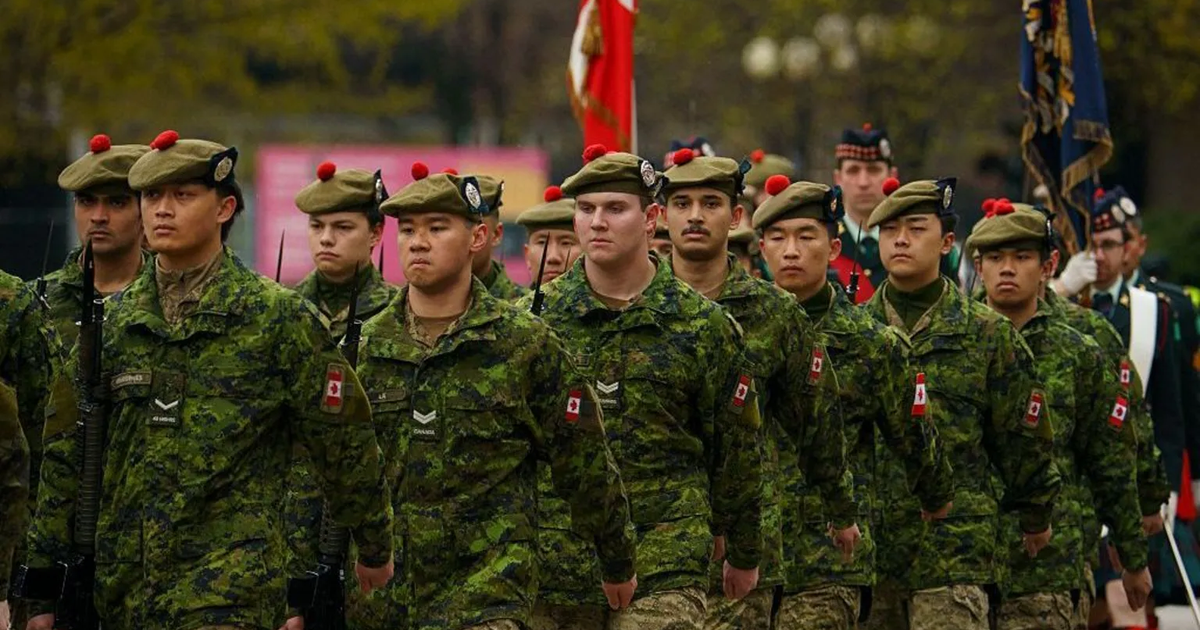
Prime Minister Mark Carney has acknowledged that the Canadian military has prepared for the unlikely possibility of an invasion by the United States, saying forces have been running scenarios for what one outlet called a "long shot." The comments were reported across multiple media organisations this week.
Carney made the admission during recent remarks, according to MyJoyOnline, which said he "admitted last week" that preparations had been made. The BBC likewise reported that he said military planners were running scenarios in case of a US invasion. 3News framed the disclosure in the context of shifting relations under President Trump, saying Canada has prepared for an "unthinkable" scenario as trade and defence tensions are being redefined.
Why the military modelled the scenario
Officials did not provide detailed public descriptions of the scenarios, and the outlets reporting the story did not publish specific operational plans or troop numbers. The BBC and MyJoyOnline described the possibility as unlikely; 3News characterised it as an outcome considered while trade and defence ties change under the US administration of President Trump.
What this means politically and strategically
The reports indicate the acknowledgement is primarily about contingency planning. Military organisations routinely run a wide range of scenarios to test readiness against diverse threats, and the outlets describe the specific scenario as a long shot. None of the sources suggested that an invasion was imminent, nor did they cite evidence that US forces are planning such an action.
Reactions and wider context
The three reports do not quote responses from other governments or defence officials beyond Carney's remarks. 3News linked the planning to a broader rethink of trade and defence relations with the United States under President Trump; the BBC and MyJoyOnline focused on Carney's statement that planners had modelled the scenario without presenting it as likely.
Taken together, the accounts show a government publicly acknowledging contingency preparations in response to an evolving strategic environment, while presenting the specific threat as remote. Further details on the nature, scope or results of the military exercises were not provided in the reports.
Why it matters
Public discussion of contingency planning with respect to a close ally is likely to draw attention because of the historical, economic and defence ties between Canada and the United States. Reporting on the issue highlights how governments assess and prepare for a range of risks, even those described as improbable.
Future reporting may clarify what specific factors prompted the scenarios, whether they influence current defence planning or budgets, and whether allied partners were involved in the exercises. For now, the available accounts describe the work as preparatory modelling rather than evidence of impending conflict.
Sources
This story was written from reports by these outlets. Read the originals: